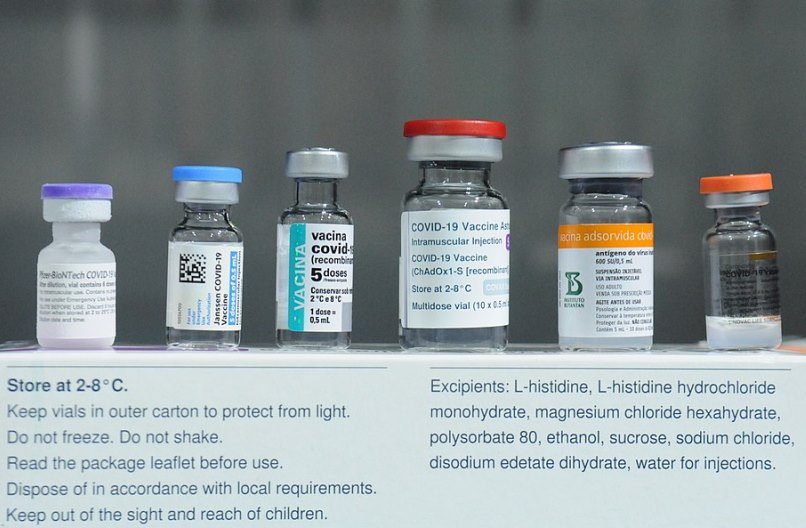
Having COVID-19 shots is a personal choice at the end of the day. We have to decide whether our immune system is adequate, or if it would benefit from a boost. We share some thoughts from United States Centers for Disease Control on the topic. With this as background here are their answers to four major FAQ’s about vaccinations for COVID.
Four Major FAQ’s About Vaccinations for COVID
Are COVID-19 Vaccinations Safe?
Nothing is 100% safe. Even crossing a street can be dangerous. Governments take the following steps to identify, and manage any risks:
1… Complete 3 clinical trials using volunteers to ensure vaccines are safe and effective.
2… Ensure vaccines comply with national standards in terms of manufacture and storage.
3… Monitor side effects and results in terms of experiences of millions of recipients.
What Goes Into a COVID Vaccine?
This is perhaps the most important issue among the four major FAQ’s about vaccines for COVID-19. Their individual compositions vary, however we can confirm none contain live virus, eggs, gelatin, latex, or preservatives. They are also cobalt, iron, nickel, lithium, and rare earth alloy free. You won’t find microelectronics, electrodes, carbon nanotubes, and nanowire semiconductors in them either.
How Does Pregnancy Affect the Decision?
United States Centers for Disease Control recommends COVID vaccines “for people who are pregnant, breastfeeding, or trying to get pregnant”. This includes anyone likely to deliver preterm. Vaccines help prevent severe disease and death. They also shield infants under 6 months from catching the virus.
Why Should My Child Have the Vaccine?
Children can contract the disease, infect other kids and their families, and become severely ill themselves. Vaccines are safe and recommended for children five years and older. Especially those with underlying medical conditions, and therefore at more risk for severe illness.
Breaking News
Young People Are Developing Long COVID
Better COVID Outcome in Small Senior Homes