It is most important to keep track of new COVID mutations as they emerge. That way, our scientists can quickly determine how our vaccines and natural immunity cope, and advise government accordingly. However, sequencing to identify new COVID variants is not new science. Scientists had been doing it for other viruses for decades.
Identifying New COVID Variants with Sequencing
Here are a few important terms to know before we start:
- Mutation – a single change in a virus’s genetic code
- Variant – A viral genome containing several mutations
- Lineage – Closely related viruses with common ancestors
- Genome sequencing – Detecting new variants and trends
- Genomic surveillance – Collecting data to monitor the above
All viruses mutate (change) as they spread. Every new infection is an opportunity for this to happen. The possibility is built into an automated process. Fortunately, most mutations are harmless in the sense they do not affect the virus’s ability to spread, or cause disease. And that’s because they do not alter the major proteins involved in infection and transmission.
How Our Scientists Track COVID-19 Variants
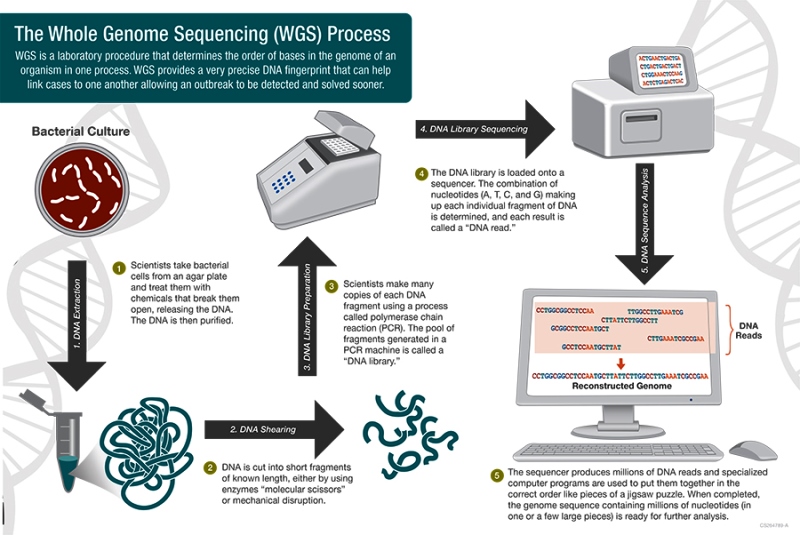
Our scientists use genomic sequencing to identify which variant of SARS-CoV-2 is in a particular specimen. This is a massive exercise which has been ongoing since the start of the pandemic. As we write, some are doing genomic surveillance right now. They are analyzing similarities, and differences among the sequences to trace new variants, and determine the following:
- The characteristics of the variant and its prevalence
- How effective our vaccines are and our immunity
- How far and how fast the variant is spreading
Without genome sequencing we would be in the dark about what is happening in the pandemic. Chinese scientists found themselves on that same position during the early stages in Wuhan. That’s why there was so much confusion in the beginning.
Breaking News
Omicron BA.5 May Be the Worst of the Lot