Battery power was popular in the early days of automotive transport, although it could not deliver gasoline a knock-out blow. That’s perhaps because few drivers thought of industrial pollution during those middle days of the industrial revolution. Development of improved road infrastructure also greatly increased driving range requirements. Batteries gave way to gasoline in the 1920s after their power to weight ratio let them down.
The Call of the Long Road Beckons Drivers
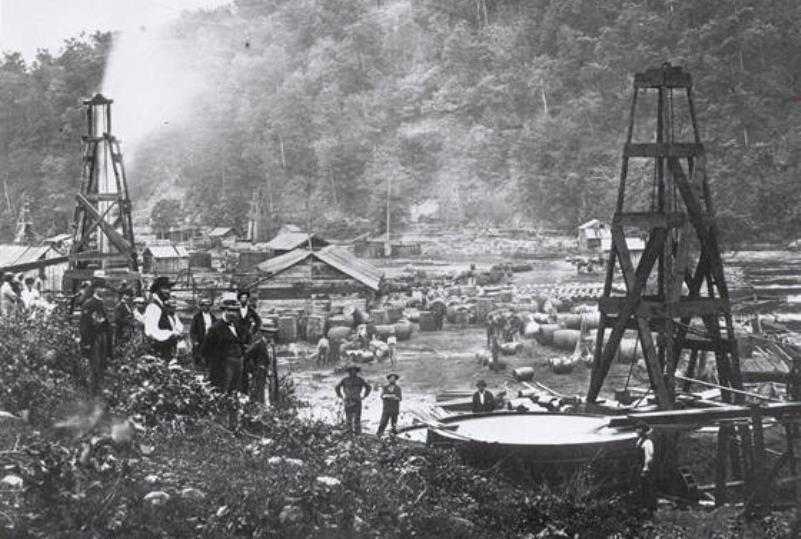
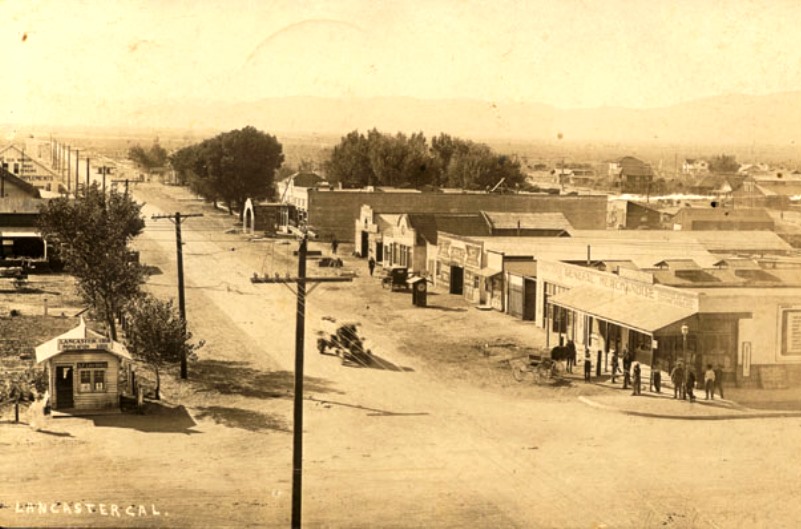
The electric car lost ground steadily in North America, as oilfields and high-speed road networks opened up. Citizens with disposable income no longer had to wait for trains to transport them to other cities. They could jump into their private autos, and hit the road. Gas stations opened up for business to cultivate their trade.
Gasoline prices tumbled too as new oil companies formed, making petroleum cheaper and even more available. Batteries gave way to gasoline because there were fewer recharging stations in the countryside. Electric cars seldom went faster than 20 mph. Moreover, most could only manage 40 miles driving range, before they needed an ‘electricity top up’.
Other technologies emerged and accelerated electric transport’s demise. Battery electric starters became commonplace, while exhaust mufflers suppressed noise from combustion engines Finally, Henry Ford favored gasoline over batteries. By 1912, you might have forked out twice the price for an electric car!
Batteries Gave Way to Gasoline But Not Entirely
Gasoline ruled the roost for decades, because it was cheap and abundant. Although a different scenario played out in nations ravaged by the Second Great War of 1939 to 1945.
Two factors kept electric transport alive during this period, although this had nothing to do with global warming. A few visionaries continued research because it fascinated them. While in war-ravaged Europe, gasoline-starved nations had few other alternatives to using alternative energies.
More Information
Woods Dual Power Hybrid Electric Car