Did you visit a metal-recycling site, and watch them lifting scrap with a giant magnet? Perhaps you wondered how the machine worked, and lifted and released the load so effortlessly. You were seeing the principles of electromagnetism in action, as you may have guessed by now. We have a neat experiment to help you demonstrate this phenomenon.
How Do the Principles of Electromagnetism Work?
The principles of electromagnetism depend on electric current flowing through a coil of wire around a piece of metal. Electricity flowing through the wire changes this metal into a temporary magnet. By the same token, its magnetic power vanishes the moment the current disappears.
The best way to see an electric magnet in action, is by lifting a metallic object with current flowing round it. However, it will only do so if there are sufficient turns in the coil of wire. A weak magnet, like the one we describe here can only attract tiny iron filings. You could purchase these filings on the internet, or use the magnet find them in dry sand.
An Experiment Using an Electromagnet
You will need the following resources to demonstrate the principles of electromagnetism in action.
- A large iron nail approximately three inches long
- Say three feet of thin insulated copper wire
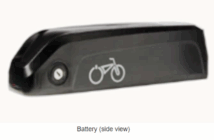
- One fresh new, fully charged 9-Volt battery
- Some metal filings or small metal paper clips
- A sheet of white printer paper, and adhesive tape
- Wind the copper wire around the nail without overlaps
- Unwind say eight inches of the copper wire at either end.
- Strip away the last inch of insulation from each wire
- Finally, tape each wire to a different battery terminal.
Now place the sheet of paper on your work surface, and hold it in position with the adhesive tape. Place the battery and nail assembly in the center of the paper. Sprinkle the metal filings or small metal paper clips around the nail. See electromagnetism in action.
More Information
Experiment to Measure Capacitor Resistance