U.S. Department of Energy oversees national energy policy, while applying its mind to developing alternative energy streams. It pursues these goals through a network of its own national laboratories, but also funds research by others. The department is currently funding 12 projects worth a collective US$ 42 million. These are all about batteries for electric vehicles, to replace gasoline for passenger transport.
12 Projects All About Batteries and Our Greener Future
This exciting development forms part of an overall drive to develop electric vehicles for American low-carbon living. The DOE wants to see faster-charging battery cells, that are ‘more efficient and resistant’ according to Electrive.Com. First news of this came in May 2022, when there was talk of a slightly larger US$ 45 million budget.
The goal of the U.S. Department of Energy at that time, was to slot the program into the wider-reaching ‘EV’s4ALL’ program. This is an initiative to develop ‘next-generation battery technologies to significantly improve EV affordability, convenience, reliability, and safety’.
Specific program objectives include:
- Charging to 80% of cell capacity within 5 to 15 minutes.
- Reducing low-temperature losses by at least 50%.
- Retaining at least 90% of capacity after 200,000 miles.
- Identifying a pathway to less than $75/kWh at commercial scale.
- Implementing new protocols to verify battery chemistry safety.
These are remarkably far-reaching goals, covering primary objectives for next-gen electric car batteries. We commend U.S. government for reaching further ahead into battery technology, than most other commercial operations could risk as this stage, because of cost.
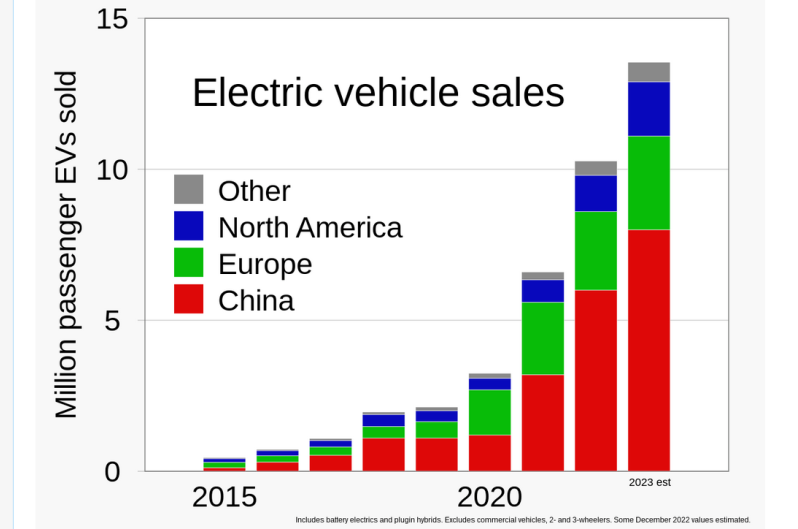
“Electric vehicle sales in America have tripled since the start of this administration. And by addressing battery efficiency, resiliency and affordability, the projects announced today will make EVs attractive to even more drivers,” says Jennifer Granholm.
The US Secretary of Energy continues, “This is a win-win for our efforts to fight climate change and power America’s clean transportation future, with technologies produced by researchers and scientists right here at home.”
More Information
Comparing Lead-Acid and Lithium-ion