We wrote about lithium-ion batteries in our previous post, and reviewed their apparently positive future. Positive, because they out-strip any other commercial battery in terms of density and capacity. And then we turned our attention to sodium-ion batteries apparently waiting in the wings. It seems they might be able to compete on those parameters. But, is there really a sodium-ion future we wondered?
Factors That Might Influence Sodium-Ion In Future
Technology Review challenges the assumption that lithium-ion batteries will continue to dominate the market, simply because they do so now. There are already a number of options coming forward to support renewable energy sources, they say. And their advantage could lie in the fact that they are purpose-built for those technologies.
Notwithstanding this pressing fact, backup systems continue to ignore a sodium-ion future, simply because lithium-ion is already established. However, in the background developers continue working on potentially cheaper and more robust alternatives.
Those new batteries could use abundant materials like plastic or iron, and water for their electrolytes instead of organic solvents. This could put to bed lingering concerns about how safe lithium-ion batteries are in large, grid-scale installations. But this does not resolve the problem that few of these alternatives have the capacity we need for electric vehicles.
Drum Roll Please For Sodium Knocking At the Door
Most developers continue to tweak the outer edges of lithium-ion technology, because that’s where the commercial interest lies. There have been some lower-cost versions that don’t use nickel and cobalt metals, and these are gradually gaining ground.
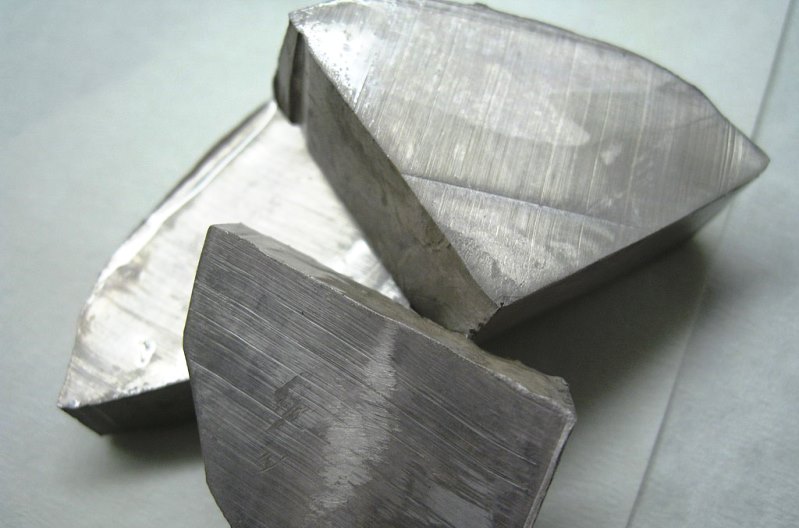
However, Technology Review believes this stalemate could soon end thanks to a contender sodium, that’s just below lithium on the periodic table. Their writer says that electrochemical cells made with this metal can reach similar voltages to lithium-ion cells, owing to chemical reactions that are almost as powerful.
The sodium-ion future certainly seems rosier when we allow for the fact that these batteries’ density has been increasing steadily. In fact, this has reached the point where lithium batteries were a decade ago. It therefore seems possible this metal could reach break-even point soon, especially given the fact that that sodium-ion batteries are not flammable.
More Information
Do Sodium Batteries Have a Future Role?