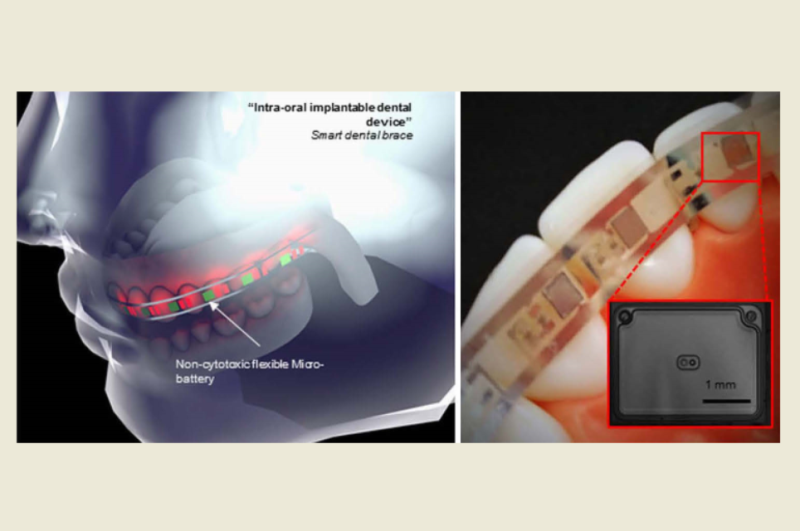
Flexible batteries work well on, and in living creatures, because they can adapt to their natural movements. They provide a safe energy source for a range of mobile and healthcare applications that could not function as well without them. We touch on some of these applications, and popular uses in this post. Some reviewers believe most batteries may be made this way in future. But we will leave it up to you to decide.
Flexible Batteries are Critical for Bendable Applications
These supple storage devices deliver high density electricity safely in e-textiles, flexible displays, healthcare devices, and portable communications. Being solid-state also means flexible batteries are leak-proof, and non-flammable too according to Innovation Origins.
The key to their flexible success depends on the use of substances such as graphene, carbon nanotubes, and polymer electrolytes. This gives them the following distinct advantages that could not exist more than a few years ago:
- Broader surface expanses and larger contact areas.
- Greater stability, and increased energy density.
- Flexible and self-supporting foundations for electrodes.
- Superior compatibility with our human bodies.
One of WEF’s Top 10 Emerging Technologies
World Economic Forum listed flexible batteries among their Top 10 emerging technologies on June 26, 2023. They cite the rapid roll-out of flexible electronics, and bendable displays demanding agile power sources.
Standard, rigid batteries may give way to flexible ones soon, they say, with lightweight materials that can be easily twisted, bent or stretched. Their uses already include health-related applications able to transmit their data seamlessly to health professionals.
This enables distance monitoring of patients in remote areas unable to visit hospitals regularly for checkups. World Economic Forum predicts a 22% compound annual growth rate going forward. We shall not be surprised if the expansion is greater than that.
More Information
Sulfur Selenium Battery Breakthrough at NASA