Australia’s original drive towards personal renewable energy followed a series of power blackouts along the south-eastern seaboard a couple years ago. Global warming accelerated the urgency, and saw utilities taking up the challenge. The Australian Energy Market Operator (AEMO) has the task on ensuring there is sufficient utility battery storage available, during the renewables coal exit switch over.
Renewables Must Dovetail with Coal Exit from the Grid
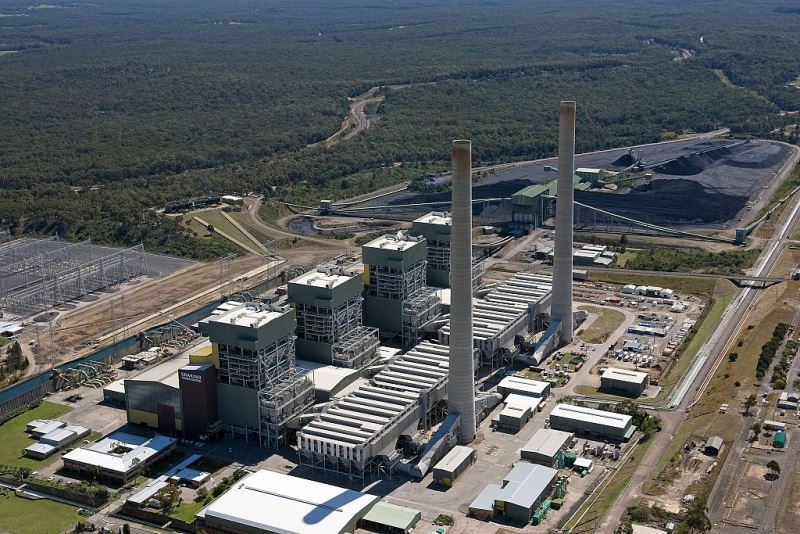
A utility grid can trip if it has insufficient energy to meet demand, unless it drops sufficient customers. AEMO knows this, and is monitoring the planned decommissioning of the 2,880-megawatt Eraring coal-fired power station in New South Wales carefully. This is due to close in 2025, as part of Australia’s decarbonization program.
Meanwhile, renewables with battery storage are ramping up, although they are insufficient to substitute for Eraring power station as we write. Renew Economy says this is a “major symbol for the strength and the pace of the green energy transition”. However, others regard the dilemma as a political litmus test of whether the renewables coal exit strategy is doable or not.
Renew Economy says the bottom line is AEMO’s latest 10-year outlook suggests that New South Wales reliability standards will be met. Provided, that is, “planned battery storage projects are built and connected on time”. However, there are other issues that cloud the situation.
AEMO Only Factors In Committed Renewable Projects
AEMO must err on the side of caution, when fulfilling its critical remit. Their ‘central, most likely scenario’ therefore does not include current tenders in the pipeline for approval.
If they were to factor in the 930MW, and 1860MWh of battery storage under consideration in New South Wales, then this would change the picture. Especially if they included further wind, solar and long duration storage projects on the drawing board.
The above assessment brings one of renewable energy’s greatest strengths into tight focus. The construction time for wind and solar battery projects can be as low as two years. Whereas it took seven years to build and commission Eraring coal-fired power station.
More Information
South Australia’s Two Pronged Solar Battery Plan