Lithium sulfur batteries have many attractive features. Their advantages include high storage density, low weight, and low production costs. However, they have to date deteriorated rapidly, and self-discharge their energy relatively quickly. We share news of a new breakthrough that may do away with these problems.
Traditional Technology in Lithium Sulfur Batteries
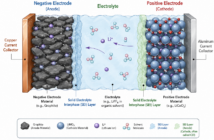
Lithium sulfur batteries have lithium-based negative anodes, and positive sulfur-based cathodes. A layer of neutral material separates these electrodes, which immerse in an electrolyte through which the ions travel. A difference in electrical charges regulates this process during charging and discharging cycles.
These simple, practical batteries have approximately twice the energy density of lithium-ion. If we could find a way to tame their rapid deterioration, then:
- A smart phone could last a week before the batteries need recharging.
- Theoretically, an electric car could have a driving range of 1,200 miles.
But there could be further advantages, if we could tame the technology. The batteries would be lighter weight, and far less prone to damage and malfunction than lithium-ion.
An American Company Is Producing the Batteries
An American company named Lyten in Silicon Valley has started manufacturing lithium-sulfur batteries. It receives funding from U.S. Government, and electric car makers according to UK Motor 1.
This breakthrough involves covering the cathodes with porous graphene cages. Apparently that’s all that’s needed to unwrap the technology’s promise, and achieve over 1.000 charging cycles.
We have heard the company has opened a pilot production line to test the modified technology, and plans to start delivering batteries later this year. There’s no word yet on price, although they do claim a 50% saving in material costs.
Does this mean that we have finally solved the lithium sulfur paradigm, and are on our way to a safer alternative to lithium-ion? We have heard similar promises before. But this time we seem to be getting tantalizingly close.
More Information
Kevlar Fiber Membrane for Lithium-Sulfur