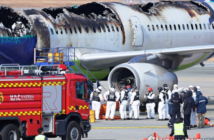
Federal Aviation Association (FAA) reports that lithium-ion (Li-ion) batteries can catch fire if damaged, or the terminals short-circuit. There were 481 incidents on passenger aircraft between 2018 and 2022, with incidents now occurring weekly. Today we review what consumers can do to help prevent a passenger aircraft battery fire while traveling.
The Bottom Line On Passenger Aircraft Battery Fires
A passenger aircraft battery fire is most likely to occur when a lithium-ion battery malfunctions, and overheats. This battery could be in a device, or even lying loose in a passenger’s pocket.
Smoke or flames could suddenly appear. These fires are difficult to extinguish, because the volatile chemicals burn at high heat and give off noxious fumes. So how can we help prevent an incident on our flight?
Precautions That Aircraft Passengers Should Take
The risk of an incident like this is rare, but it can happen. Moreover, the danger is greater if a battery is swelling, leaking or unusually warm. NEVER take dubious batteries on board an aircraft. Ask officials at the terminal what you should do. NEVER dump a suspect battery in a trash can.
DO NOT include a lithium-ion (Li-Ion) battery, or a device containing one, in your check-in baggage. This is because a runaway fire could break out, and may not be noticed, or be impossible to reach in flight and extinguish.
DO NOT include unnecessary lithium-ion (Li-Ion) batteries in your carry-on baggage either. If one of these overheats, the temperature could spread between them during a thermal runaway event. Play it safe, especially as you could be near a fire high up in the air!
FAA Rules To Limit Passenger Aircraft Battery Fires
We could probably never completely prevent these incidents, as long as there are lithium-ion batteries on passenger aircraft. However, Federal Aviation Association (FAA) mandated these rules (see link below) to limit the risk:
- The batteries must be for the exclusive use of traveling passengers only.
- They must normally have a limit of 100 watt-hours energy per battery.
- Two larger ones (e.g. for laptops) may come on board with airline permission.
- The latter may have between 101 and 160 watt-hours maximum capacity.
- Loose batteries must be in original packaging, or have insulated terminals.
- Damaged batteries may not be carried on board, without any exception.
These FAA rules are there in the interests of aircraft and passenger safety. If you are flying soon, then we recommend you abide by them at all times.
More Information
Light Aircraft Lithium-Ion Battery Fire
FAA Guidelines for Lithium Battery Transport