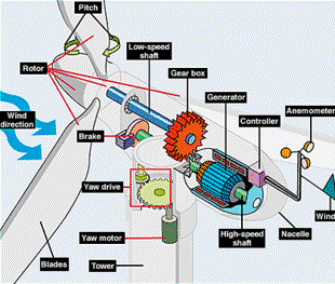
Have you ever wondered what those little fans are doing spinning in the wind on decks of yachts. Many people think they are measuring wind speed, which they could also do. They are more likely to be charging DC batteries for the boats’ electrics. So they are actually generators with fan blades attached.
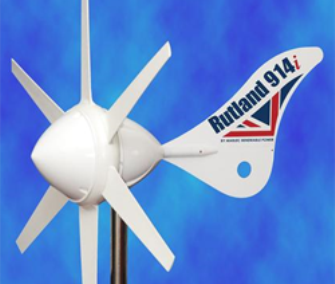
The batteries provide power for navigation, radio communication, lights, and cooking. Many yachts also have solar energy collectors on their mast tops. They have the best of both worlds: Wind energy on stormy nights and solar on windless days when they are becalmed.
A Safe, Clean Source of Electric Power
Scientifically speaking, wind strength is slightly less when exiting the blades. There are also mechanical inefficiencies that reduce the wind power output. However overall, wind power is efficient and infinitely renewable.
The earliest attempts to capture the wind date from two thousand years ago in Persia, which is now Iran. That was when Heron of Alexandria used a windmill to power an organ. He was an inventive fellow. He also made a vending machine that dispensed holy water in a temple in exchange for coins.
The Birth of the Wind Power Industry
Scottish academic James Blyth built the first electricity-generating windmill in 1887, so he could have electric lighting in his holiday home in Scotland.
A few months later, American inventor Charles F. Bush built the first automatically operated wind turbine.
People soon realized how useful these devices were especially in small communities. By 1900, there were 2,500 wind generators in Denmark.
Wind now Surpasses Nuclear Power
Large-scale wind generation became reality when global warming and climate change began to bite. Power companies had no option but to innovate or face huge fines. Global output from wind generation has reached 432 gigawatts, with nuclear trailing at 382. And to think this all began with tiny yachts, and a Scottish professor who wanted to read his books at night.
Related