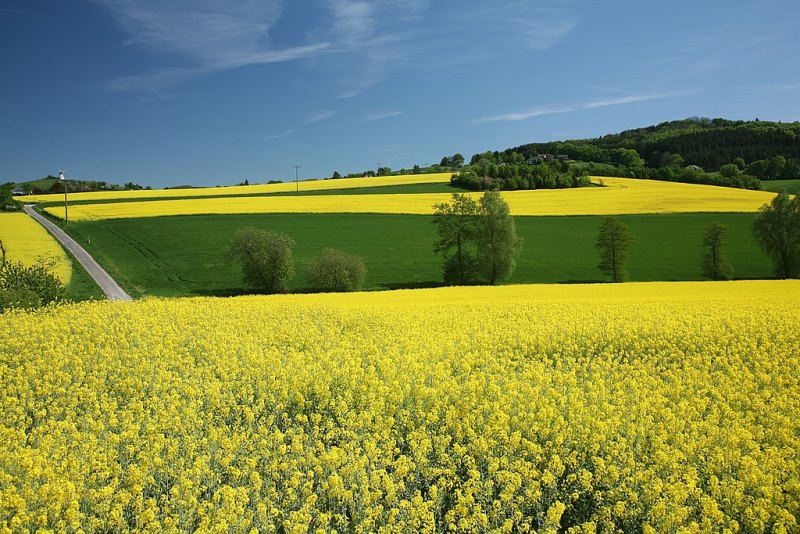
Modern agriculture requires online soil data, especially as the weather and seasons become less predictable. However, the increasingly vast fields make traditional across-land cabling impractical. Miniature solar panels might not survive long with mechanical harvesting. But now scientists from University of Bath in England, have closed the gap with bacterial batteries.
A New Spin-Out Company Develops Bacterial Batteries
The new company imaginatively named Bactery has found a way to harvest renewable energy from agricultural soil. It does so by capitalizing on micro-organisms living beneath the surface, and their natural processes.
The spin-out’s CEO who completed a PhD at the university explains, Our initial goal is to accelerate the shift toward digitilization within the agricultural sector. As precision agriculture continues to demonstrate its effectiveness in boosting yields and conserving resources.
Demand for internet-of-things-based sensors and other devices is increasing, as technology develops enabling on-field data collection. The new bacterial batteries could power a generation of electronic devices, collecting and relaying online data to farmers.

This information will empower farm mangers to make better decisions, including more scientific fertilizing and watering. Bactery estimates each ‘battery’ will price at around $30. That will be a lifetime price with no maintenance. Plant it and forget it, they say.
How This In-Field Technology Generates Power
The system relies on organisms called ‘electrigens’. The Lonely Spore website (see link below) explains these organisms are able to grow on electrodes and harvest their energy.
Bactery’s bacterial batteries work on a similar principle using soil microbial fuel cells that harvest electrons from micro-organisms living in the soil. The company proved the concept in 2019. Since then it has found a way to scale up the technology as a step towards small-scale production.
More Information
Organic-Soil Microbial Fuel Cells
Energy Harvesting for the Internet of Things
Preview Image: Vast Agricultural Fields