We might not have our laptops, smartphones, and tablets but for M Stanley Whittingham. On the other hand, someone else might have stumbled over lithium or an alternative material for thin batteries. Besides, Whittington’s batteries were impractical, so why the fuss?
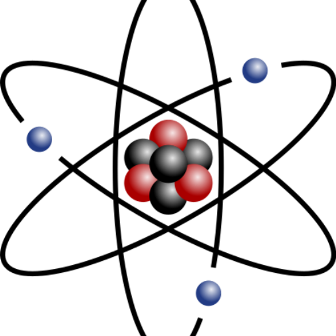
Lithium makes for an interesting topic on its own. Big Bang theorists think it is one of three elements originally synthesized along with beryllium and boron. Curiously, there is less lithium on older stars than on some younger ones. Nobody is quite sure where it goes.
We have vast reserves of dispersed lithium on earth. We find it in numerous insects, crabs, lobsters, and plants. In processed form, it is corrosive. We should dispose of lithium-ion batteries responsibly.
Whittingham Uses Lithium in a Battery
While working for Exxon in the 1970s as a young chemist, Whittingham discovered that lithium ions moved between titanium disulfide cathodes and lithium-aluminum anodes creating electricity. The solution proved impractical, because titanium disulfide cost $1,000 a kilo, and caused a stink when exposed to moisture in the air.
Moreover, metallic lithium is a highly reactive element that burns in normal atmospheric conditions. Exxon canned the project, and focused on inventing batteries in which only lithium compounds were present.
Goodenough Improves the Design
Ten years later John Goodenough improved his colleague’s design by using metal oxides and higher four-volt materials. After Sony developed a safer anode, it produced the first lithium-ion batteries for cell phones in 1991. These were a shadow of Whittington’s original thinking.
That said, he was the first person to use lithium in a battery, and so was hugely influential in what followed. He is currently director of materials research and materials science and engineering at Binghamton University, State University of New York.
Was Whittingham the Grand Daddy of lithium-ion batteries? We can’t make up our minds. It’s your call.
Related