Electric vehicles, and their batteries, have an important contribution to make to countering global warming by emissions. Normally, the two factors work well together, although California wildfires and EV batteries are proving the exception to this rule. That’s because emergency teams face challenges removing EV batteries from fire-damaged zones.
California Wildfires Take Their Toll on EV Batteries
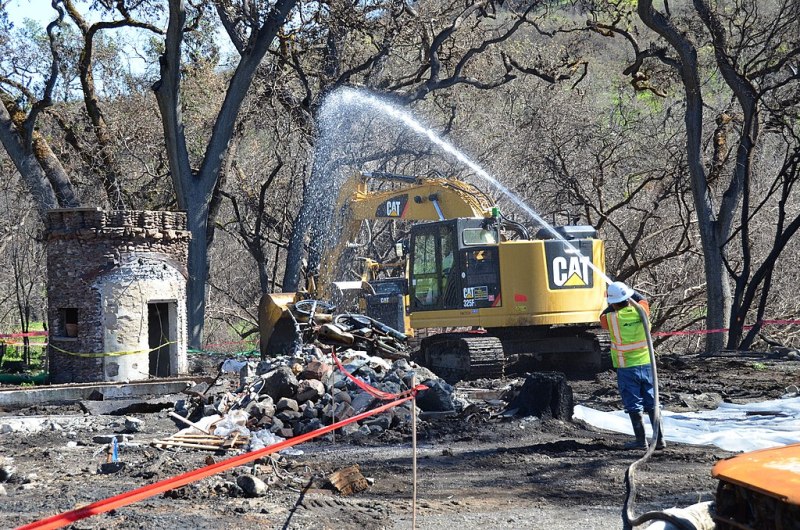
The current round of California wildfires has destroyed lives, livelihoods, and homes. The jury is still out on what or who caused the fires. Meanwhile, the cleanup continues, including many wrecked gasoline autos. Their fuel tanks went up in balls of fire. But the toxic metals from EV batteries are still there.
First responders face a new challenge, after tackling flooded electric vehicles from hurricanes and storms. We should not underestimate the danger of burned-out EV’s, especially powered predominantly by lithium-ion batteries. These can still become dangerous after exposure to heat.
Risks When Dealing with Damaged Lithium-Ion Batteries
Wildfires and EV batteries do not go well together. Lithium-ion cells can catch fire, or start burning again after the initial danger has passed. Moreover, these batteries also contain hazardous materials that could spill out, and even leech into the water table.
There are also other types of EV batteries on the market, comprising different materials. Responders may have difficulty identifying the model of vehicle, and the type of battery after the disaster has passed.
In this way, wildfires and EV batteries are adding more risks to the clean-up and recovery program. This is so ironic, given we hoped they would stem global warming, which contributed to the fires.
Residents of affected areas should stay well away from burned vehicles, to avoid the risk of injury. We agree with Sustainability that this is a “stark reminder” of a need. An imperative “to enhance the infrastructure and protocols for handling EV batteries”.
More Information
California Storage Batteries – Stakes Are High