Batteries don’t go in bottom drawers.That’s where wannabe brides keep household items for their marriage, and where we store other things for a rainy day. Batteries are incredibly useful things that we should use while they are still fresh. But that’s not the only reason why we should look after them thoughtfully.
Batteries Need a Better Home Than Bottom Drawers
Here are your important takeaways from this article, in case you don’t have time to read to the end:
- Keep batteries somewhere else other than your bottom drawer, so you notice sooner if they are warming or leaking.
- Store your batteries in their original packaging somewhere you visit often, and can check them regularly.
- Do the same with sharp objects, lighters, battery-electronics, and anything with a use-by date,
Why Take These Precautions with Batteries?
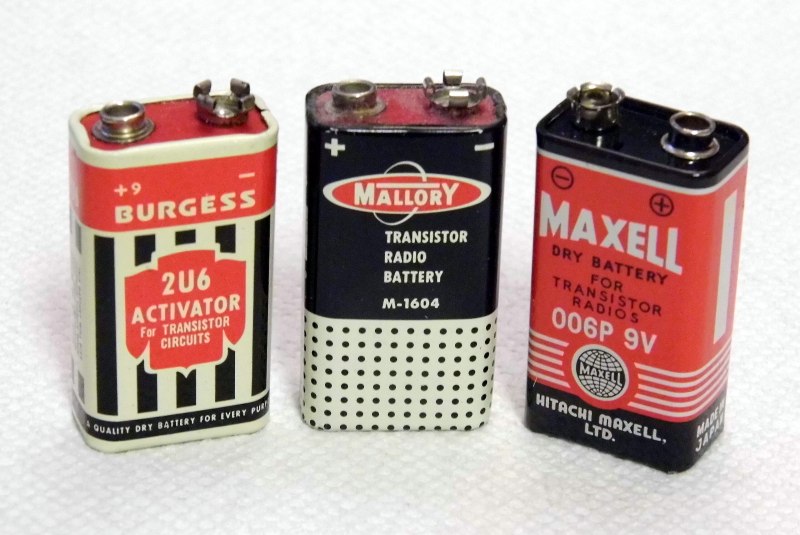
Battery packaging is getting more difficult to open nowadays, This is a deliberate attempt by manufacturers to prevent the terminals short-circuiting. If something that conducts electricity touches both terminals simultaneously, then that battery can short circuit very quickly.
Passing electricity through a conductor warms it. We see this is in action in our electric cookers and kettles. Short circuit heat can be sufficient to start a fire. This is the reason we headed this article ‘batteries don’t go in bottom drawers‘. If it is a lithium-ion battery it could even explode!
Draw a Line – No Batteries In Drawers
Our lead-acid batteries leave our factory with anti-short-circuiting clips firmly attached to their terminals. These should keep the batteries insulated, provided they are not tampered with. Unfortunately, this elegant solution is impractical with small cells for electronic devices.
The best work-around is to keep these batteries in their original packaging, until we use them. This ensures that they lie side by side, with their terminals away from each other. It also protects them from anything that could damage them. What happens next depends on the user, and that would be us!
More Information
How a Lithium Battery Can Short Circuit