Sealed gel lead-acid batteries are best, if you want safe, reliable quality. A Fortune Business Insights report dated October 20, 2025, confirms lead battery chemistry’s ongoing popularity. This respected journal predicts lead-acid’s global market share will grow from USD 51.03 billion in 2025, to USD 73.96 billion by 2032.
Many Applications for Gel Batteries
There are three types of lead-acid batteries behind this global trend. These are valve-regulated, absorbent glass mat, and the superior sealed deep-cycle gel type batteries available from UPS Battery Center.
Valve regulated and absorbent-mat starter batteries provide short bursts of power, and make up the bulk of global demand. However, if you need a battery that provides a smooth steady supply instead, then gel batteries could be your best solution.
The authoritative Science Direct journal confirms that sealed gel lead-acid batteries using a gel electrolyte, provide sterling service in these market segments:
- Cyclic or traction applications, for example wheel chairs, golf cars, golf caddies,cleaning machines, light fork lifts, and solar.
- A variety of vehicles in the railway, public transport, and military sectors, where authorities prefer them over other battery chemistries.
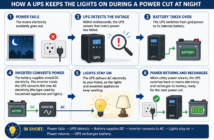
- Stationery applications including telecoms, small, medium and large, uninterruptible power supplies, and power plants.
How Gel Lead Batteries Are Superior
Sealed gel lead-acid batteries are maintenance free for life. There are no irritating caps to unscrew, and no liquid to top up. But these solid, reliable batteries have other advantages too. Customers choose them over other options because they deliver steady, long lasting power.
The sealed gel batteries available online from UPS Battery Center, can charge and discharge many more times than valve-regulated, and absorbent glass mat versions. This makes them perfect for electronic, UPS and mobility applications to mention a few.
Our state-of-art gel lead-acid batteries also self-discharge slowly, and have a higher tolerance for heat. But the cherry on the top is that – unlike lithium-ion batteries – their electrolyte cannot catch fire because it is a water-based solution.
More Information
Lead Batteries Indispensable in EVs