We’ll take you on a roller-coaster ride today, from the first battery to lead-acid technology perfected in our range of batteries. Our story begins when an Italian researcher named Galvani thought he found animal electricity in a frog’s legs. But his pal Volta saw through that theory. He used his insights to build the world’s first pile battery in 1800.
Across the Channel, a Baronet Takes Over
An Englishman named Davey built a larger version of the pile battery in 1809, using charcoal strips as electrodes. Then he invented the arc lamp to demonstrate the potential for street lighting, and amazed the London crowds.

Meanwhile, a Scotsman named Cruickshank was preparing to mass-produce his trough batteries. These comprised square sheets of copper and zinc soldered together, and slotted into wooden boxes.
A diluted acid solution completed the design by acting as electrolyte. Cruickshank’s design worked, for as long as the user kept the trough horizontal. The progression from the first battery to lead-acid technology was not yet complete!

A Battery Closer to What We Manufacture
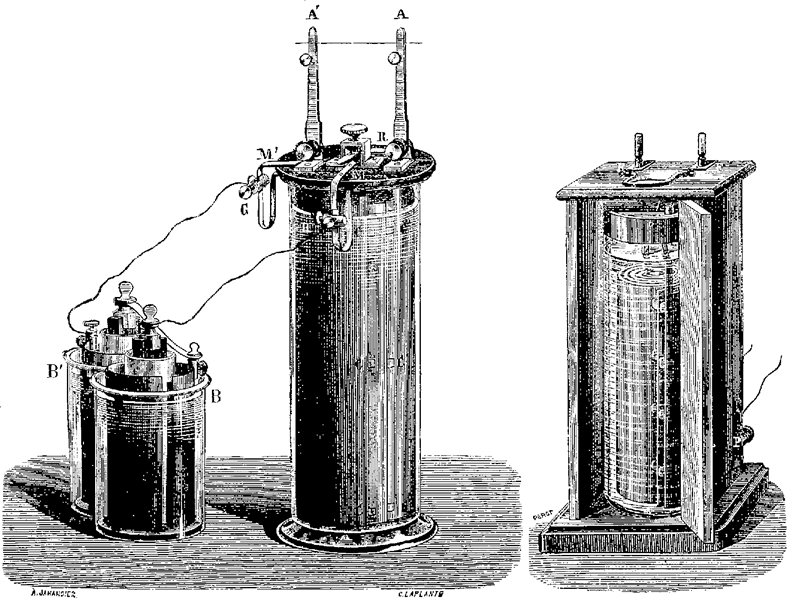
Planté decided to build a leak-proof battery in 1859, well almost, as the second-last step on the journey from the first battery to lead-acid. He rolled two strips of lead with linen cloth between them into a spiral. Then he put this spiral into a glass jar, and topped it up with diluted sulfuric acid.
The Journey’s End – The First True Lead-Acid Battery
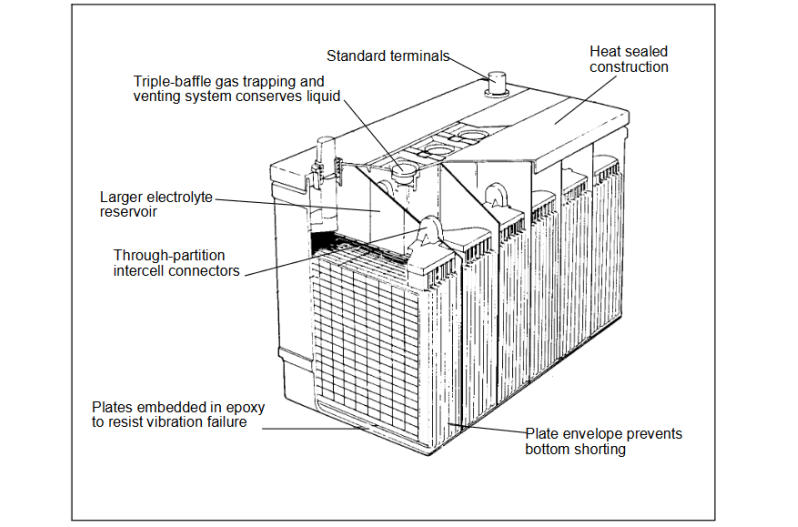
In 1880, Fauré perfected the basics of lead-acid batteries that we manufacture and sell. He cut the lead strips into plates that he coated with lead oxides, sulfuric acid, and water. This combination generated the reliable reduction-oxidation reaction that powers our batteries today. They have stood the test of time, and demand is increasing.
More Information
Lead-Acid Battery Renewal Is Ongoing
Lead-Acid Energy Storage Research