Smart lithium-ion battery owners act responsibly. They accept the hazards of using them carelessly, or purchasing counterfeit batteries from strangers they cannot trust. In return, these owners obtain the best available long-term performance for devices that have become part of their lives.
What Smart Lithium-Ion Battery Owners Know
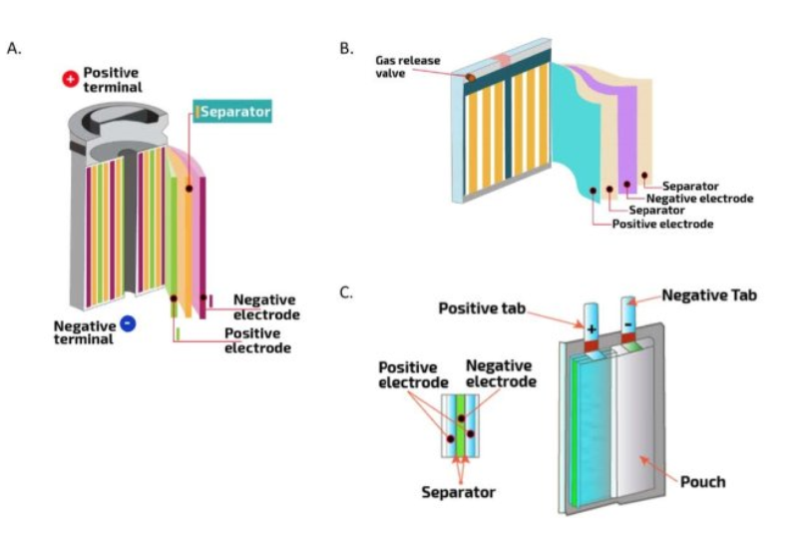
Smart lithium-ion battery owners understand that lithium-ion batteries store large amounts of energy in small spaces. They accept that these batteries become dangerous if they use them incorrectly, or in the wrong devices.
When they travel by air, these users do so in the conscious knowledge that defective lithium-ion batteries can overheat, catch fire, and even explode. Intelligent owners of lithium-ion chemistry follow the advice of airlines. They declare everything they should, when checking-in and boarding.
Warning Signs of Dangerous Lithium-Ion Batteries
Lithium-Ion batteries become suspect when they give off strange smells, or begin changing color. If they become hot or start altering shape, then the situation is becoming dangerous. Smart users know when it is time to call emergency services, before a battery starts leaking and making strange noises.
How Smart Owners Avoid These Situations
Intelligent battery owners follow these safety tips at all times, because they know they have to take care:
- Purchase and use batteries approved by testing laboratories.
- Store batteries in cool places away from flammable materials.
- Match batteries and devices. Follow manufacturer instructions.
- Insert batteries the right way around in parent devices.
- Use the charger that came with each particular device.
- Never charge a battery on a soft surface. Let air circulate.
- Never charge a battery on a surface that could catch fire.
- Keep batteries cool, and away from sunlight and hot vehicles.
Smart lithium-ion battery owners act responsibly all times, and accept they have a duty to recycle their used batteries. They never throw them away in their garbage. They know they must hand them in at an official recycling point, or follow their service provider’s instructions.
More Information
Towards Safer Lithium-Ion Batteries