Georgina is a small town in Ontario, Canada on the shores of Lake Simone. Their Fire and Rescue Service issued an advisory asking residents to buy and use lithium-ion batteries safely. This initiative supports the National Fire Protection Association’s campaign titled “Charge into Fire Safety: Lithium-Ion Batteries in Your Home.”
Buying, Using and Charging Lithium-Ion Batteries Safely
“Lithium-ion batteries are powerful, convenient and they’re just about everywhere,” says Georgina Fire Chief Ron Jenkins. “I encourage people to look around their homes – it’s important to know which devices are powered by them.”
We must do so, the Fire Chief continues. He wants citizens to use their batteries correctly. They should buy and use lithium-ion batteries sensibly, and recycle them to prevent fires at home as follows:
- Purchase nationally recognized products that have a mark of approval from a testing laboratory. Many online lithium-ion products lack this certification. This means they may not meet safety standards, and increase the risk of fire.
- Charge lithium-ion batteries and their devices safely. Follow written instructions. Use the original charger and cable. If you need a new charger and / or cable, purchase one from the manufacturer, or a source they recommend.
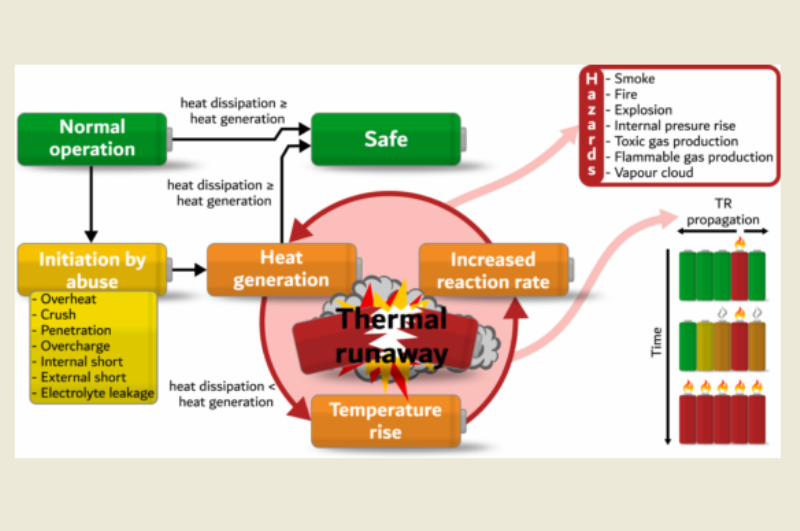
- Charge your device / lithium-ion battery on a hard surface, so cooling air can circulate. Never do this under a pillow or blankets, on a bed, or on a couch where it could overheat. Unplug your device or remove the battery as soon as it has a full charge.
- Don’t leave your spent batteries lying around, or in storage where children could play with them. They still contain enough energy to short-circuit. Never throw spent batteries in your garbage either. Take them to a recycling point. They will know what to do with them.
We wrote this post to emphasize the importance of buying, using and recycling lithium-ion batteries wisely. Let’s pull together to keep everyone as safe as we can!
More Information
Recharging Lithium-ion Batteries in Apartments