We browsed through an article in Wiley Advanced Library, about wood-structured electrolytes for ultra-stable zinc-ion batteries. It was a bit advanced for this blog though, and so we decided to write a general article about wood-based electrolytes in batteries instead.
Wood-Based Electrolytes for Sustainable Batteries
Wood electrolytes are interesting, because they could be a new way to make sustainable batteries. After all, wood is a natural, organic material comprising cellulose, lignin, and other organic compounds, and we have masses of it.
However, wood needs to transport ions to get through the starter gate. But if we process that wood correctly, we could end up with lightweight structures that store and move electrical charges in batteries.
Natural wood has a card up its sleeve to help us get there! This is where wood-based electrolytes in batteries get really interesting. You see, wood has a key mechanism hidden inside its structure.
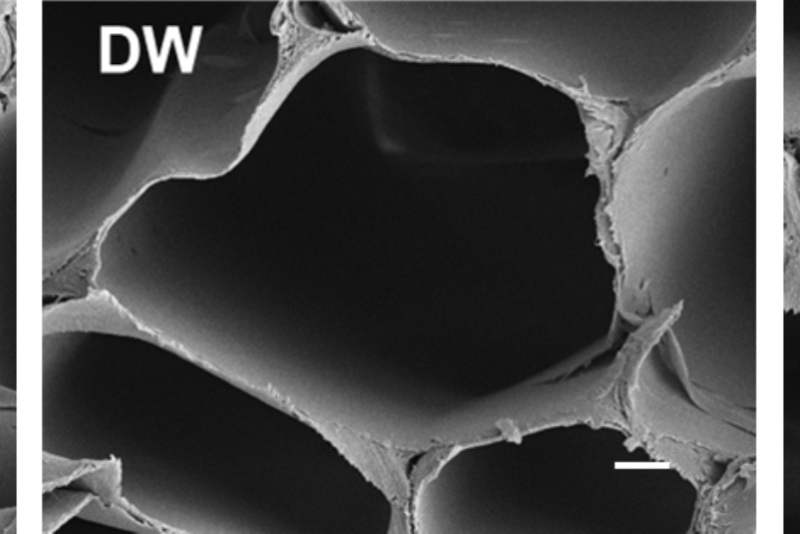
That structure contains tiny channels that once carried water and nutrients throughout the tree. Scientists are learning to use these channels as ready-made pathways for ions, that carry electrical charges inside batteries.
Building Batteries With Wood-Based Materials
Ions are microscopic charged particles, that move between electrodes through electrolyte during battery operation. Wood’s natural architecture could help electrolytes penetrate wood electrodes, and improve the movement of ions through that material.
Researchers usually treat wood chemically, or heat it at high temperatures to make wood-based electrodes. This removes some of the original organic material, and converts the remaining structure into a carbon-rich framework.
The result is a porous carbon material that still retains the original microscopic structure of the wood. This carbon framework can then conduct electricity, and serve as a host for active battery materials.
Although this technology is still largely at the research stage, wood-derived materials could eventually help produce batteries that are more sustainable. They should also cost less, and be easier to recycle than many current designs.
More Information
European Battery Anodes Based on Wood
Could Batteries Come From Mighty Trees?