Underground pumped storage hydropower stores and releases electricity using water and gravity. It requires two large water reservoirs at different levels. However, instead of building these facilities on mountains, engineers may place them deep underground in old mines, for example.
Working Principles of Underground Pumped Storage
The water is in the lower underground reservoir at the start of the cycle. Think of this as a flat battery. Powerful electric pumps move the water to the upper underground reservoir, when there is cheap surplus electricity on the grid. Think of this as charging a battery.
The water flows back to the lower underground reservoir through turbines, when the utility needs extra energy and is prepared to pay more for it. Think of this as discharging a battery.
Underground pumped storage hydropower is cheaper and easier to create than building new hydro storage dams. Using existing underground caverns, including old coal mines, has less visual impact too, and does not cause new damage to the environment.
Hydropower Options in Abandoned Coal Mines
Researchers at U.S. Oak Ridge National Laboratory evaluated abandoned coal mines, in terms of using them for generating hydro electricity. In their model, these would store and release surplus renewable energy to increase grid reliability and security.
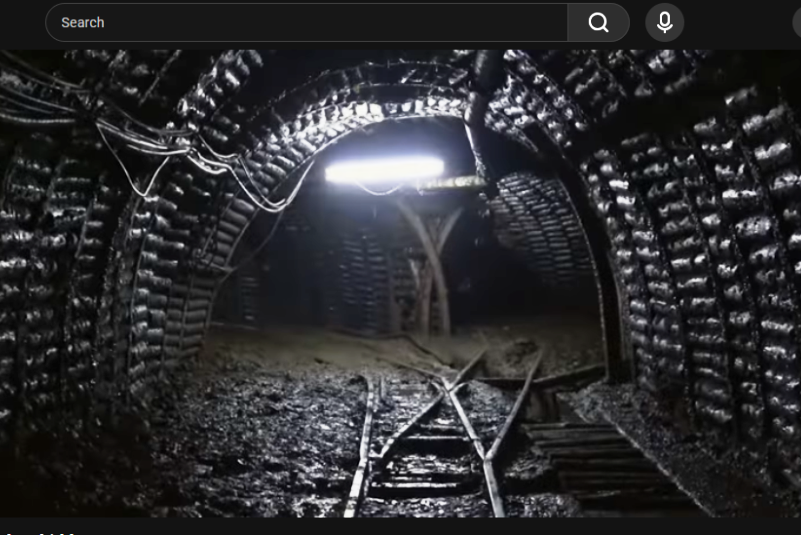
Daily Galaxy estimates there are several hundred thousand abandoned coal mines in the United States. Some of the larger ones have vertical shafts between caverns, dropping through a thousand feet of solid rock. Most of these mines remain as they were when the last coal miners departed.
Daily Galaxy believes many of these old coal mines could convert to underground pumped storage hydropower stations. This modification would be at a fraction of the cost of new hydro storage dams. This strategy could address a growing challenge, as more and more hydropower comes on line and must be stored until needed.
More Information
Hydro Storage In an Underground Well
Hydro Global Battery Of The Future
Preview Image: Vast Underground Potential