The flow of electricity through any system is the product of three component types. These are conductors, resistors, and insulators. Firstly, we have conductors that allow electricity to pass through them. Secondly, we have insulators that bring it to an abrupt halt. Imagine this being like train set you played with as a kid. The railway lines conducted the carriages, while the buffers ended the journey.
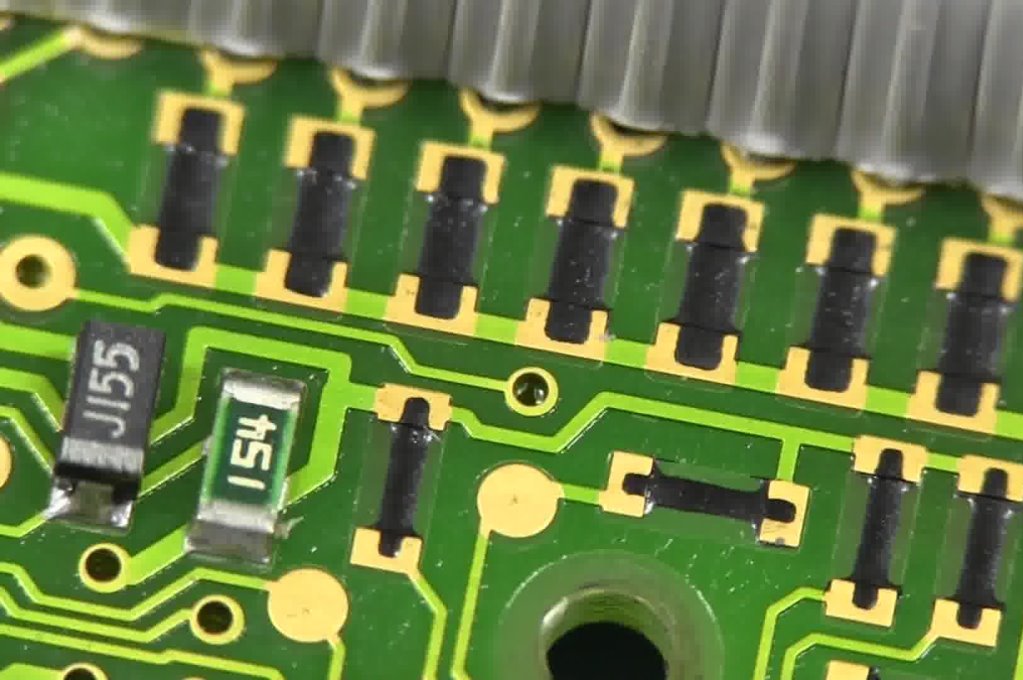
Of course, real railways also have branch lines with points that divert traffic to villages and sidings.
In like manner, an electronic circuit has various sideshows going on in the background.
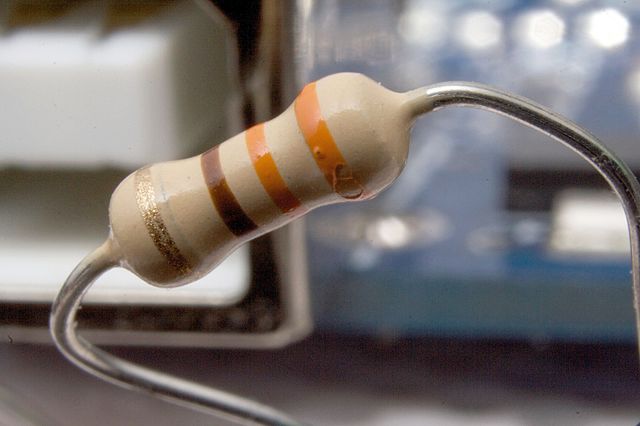
Without going into too much detail, many of these require less electricity flow. Resistors feed this to them by partly obstructing the current. They come in many shapes and sizes according to design requirements.
The Variable Nature of Conductors, Resistors, and Insulators
In practical terms, insulators, conductors, and resistors all conduct electricity if the voltage is sufficient. Their degree of sensitivity varies according to amount of it. Even electricity jumps through air in the case of high-voltage lightening. Conversely, a small amount or it will not pass through dense material.
In 1825, Georg Ohm published his finding that the current through a conductor between two points is directly proportional to the voltage across the two points.
We manage the actual output of particular resistors by adjusting their designs. This ensures they consume more or less of the electricity they receive, according to the needs of the devices down the line.
The Technology inside Resistors and their Markings
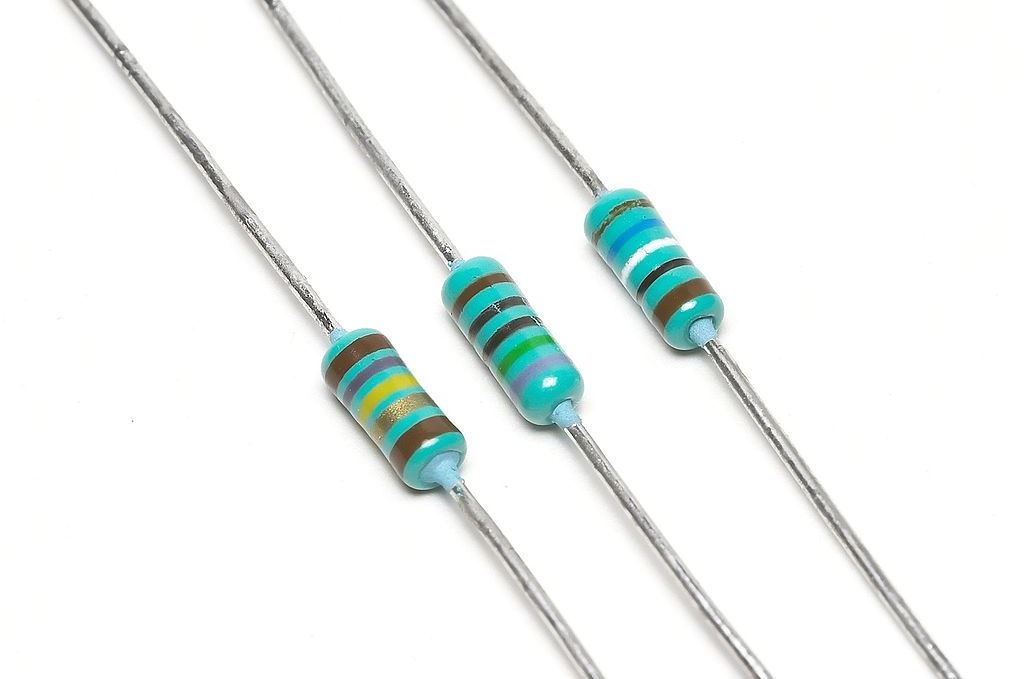
If we break open resistors with wire leads and remove the outer paint coatings, we will most likely see insulating ceramic rods with copper wire wrapped around. In basic terms, the thinner the wire, and the greater the number of turns, the higher the resistance becomes. Where there are colored bands these confirm the actual resistance of the device, and the degree of consistency we can expect over time.
Related