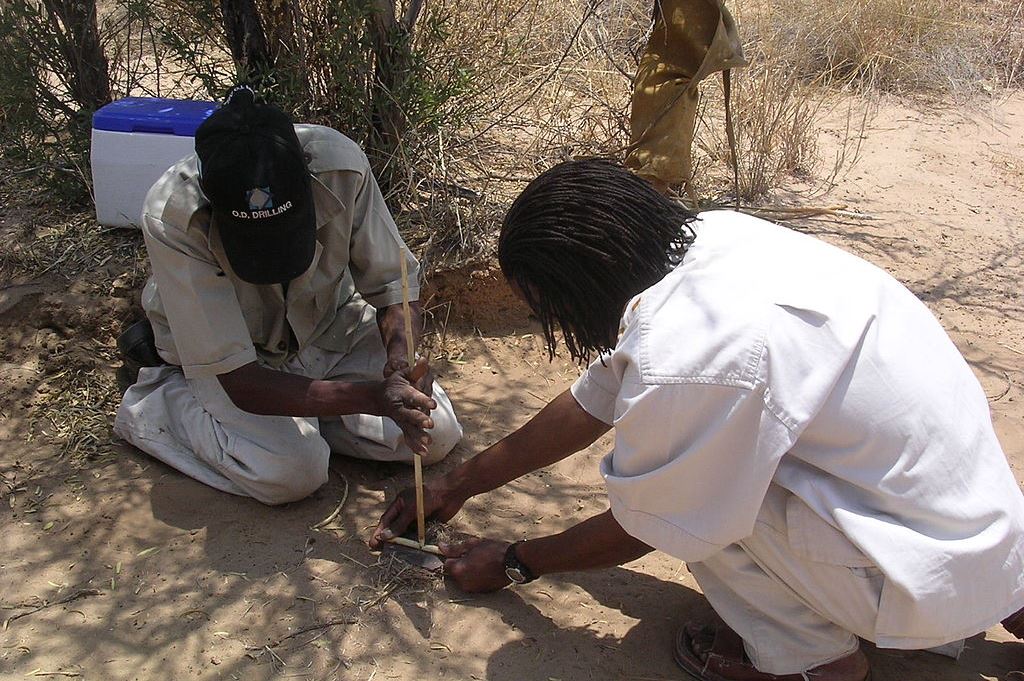
In Southern Africa, descendants of hunter-gatherers still unlock the energy in dry wood by rubbing it together. The friction causes heat and creates fire. The San may carry this energy as glowing coals in dry melon gourds for a slight distance. However, they would need portable energy in batteries if they wished to share the benefits of western technology.
When You Think About It, Batteries are Portable Energy
Let’s set aside the question whether western technology would benefit the San culture in the long run. Life without batteries seems unimaginable from our world view.
How else would our laptops, portable devices, cell phones, and wearables function without them? Let alone the life-saving pacemakers, and satellites that brighten our night sky.
A Battery: Truly One of Mankind’s Most Amazing Inventions
A battery is a power pack of pure portable energy. But unlike the electricity that flows through our homes it does however have its limitations. It needs replenishment once it releases the electro chemical energy inside it. The debate in the battery industry distills into one single question. This question is how can we replenish batteries faster and cheaper?
Unity of Opposites at the Heart of Battery Portable Energy

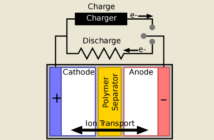
All battery research considers three basic components. They are two terminals that we call electrodes, and an electrolyte that regulates how they interact.
We induce a portable energy flow when we connect the terminals via a suitably rated device. In essence, this is a flow of ions between the electrodes via the electrolyte.
Battery electrodes or terminals must be of different materials. Then one has ions to exchange, while the other wants to receive them. If battery electrodes were the same, there could be no ion shuffle, but by sharing they have life. Perhaps the portable energy in batteries has a lesson for the warring nations of the world.
Related
What Are Electrodes & What Do They Do?
Preview Image: Energy Efficient Stoves (Democratic Republic of Congo)