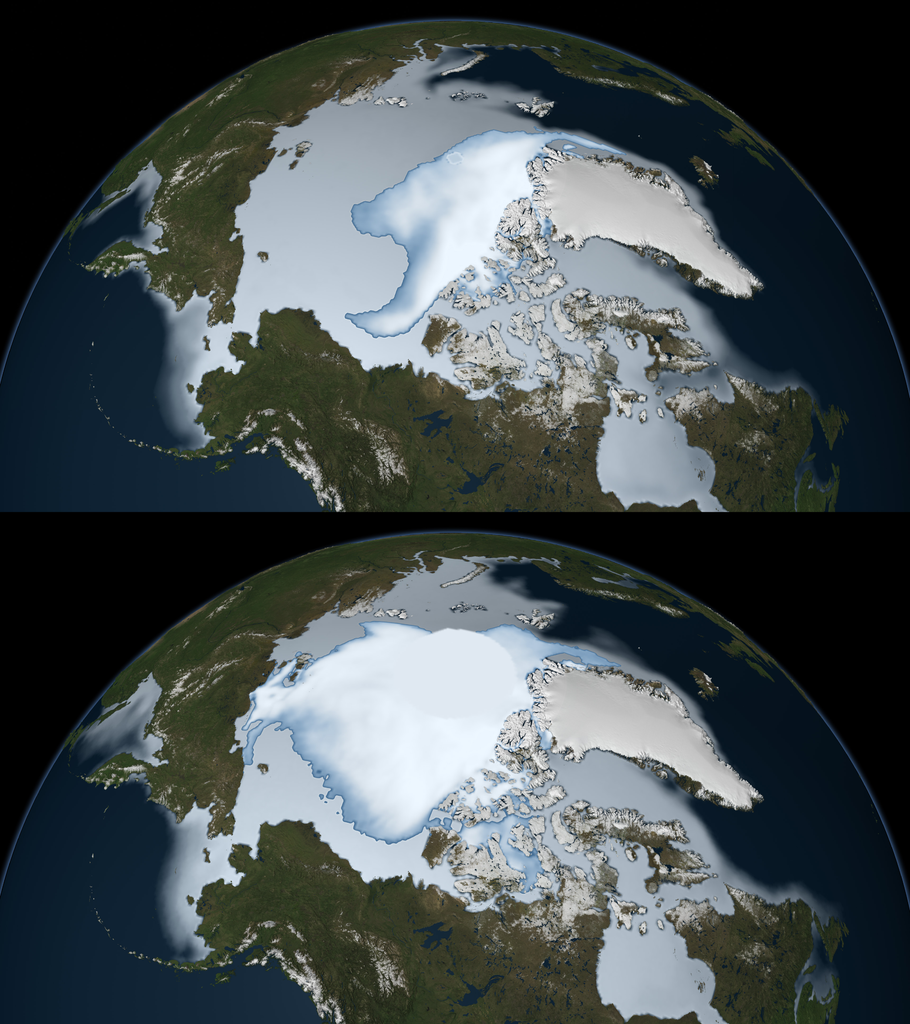
Should we worry about the Arctic burning? Sure, the fires will melt more tundra, but it’s the bigger picture that should really concern us. We already have shrinking ice caps and starving polar bears invading towns. Less sunlight reflecting off less ice is heating soil and oceans more. The Arctic fires are driving us closer to a dangerous positive feedback cycle where heat produces more heat.
How Serious Are These Arctic Fires?
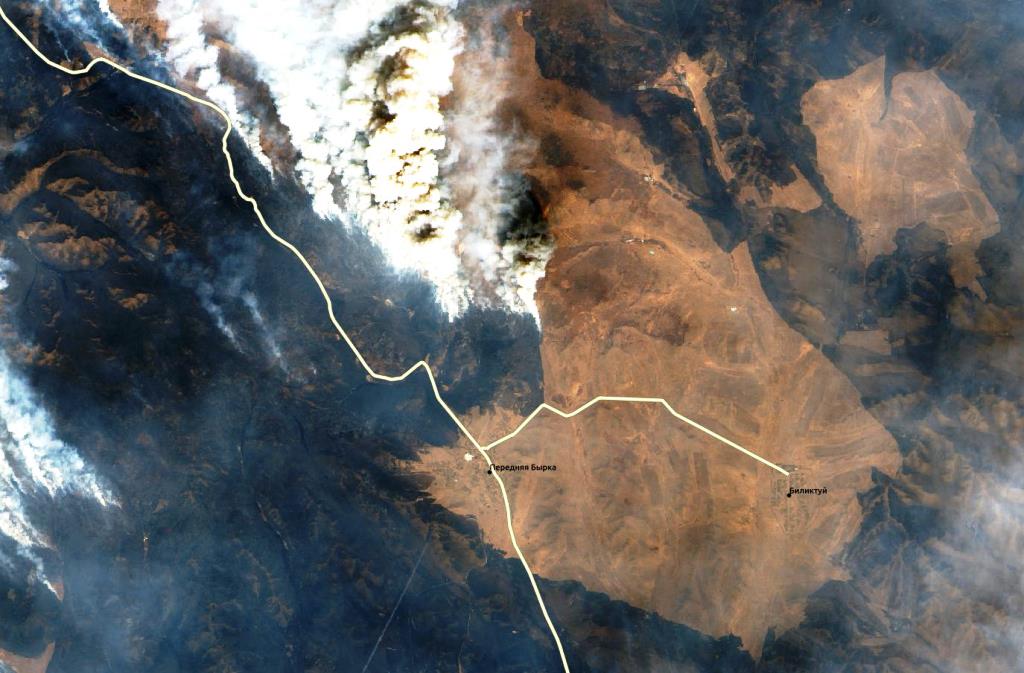
A Siberia forest burned for three months. This caused a cloud of soot and ash as large as the European Union. Four million hectares – that’s the size of Rhode Island – went up in smoke. The soil there is thin and poor. The conifers had shallow roots. They will take a long time to return.
We have been predicting these Arctic fires for decades, says Philip Higuera, a fire ecologist at the University of Montana. He has twenty years experience in his field. He lead a team that made dire predictions back in 2019. They said fires in the boreal forests and the Arctic tundra would increase by up to four times by 2100.
The Tipping Point is Not That Far Away
We would reach a tipping point if there was an average July temperature of 13.4C over a 30-year period, Philip Higuera told the BBC. Much of Alaska was “perilously close” to this threshold between 1971 and 2000. The number of places near to and exceeding this critical point will increase as climate warms.
His take home message is the danger we face from a sudden temperature increase. The uptick in Arctic fires is an indication of how much we humans are kicking the system,” he says.
“And changing [the]global climate is a very big kick to the system.” Increasing heat is drying the soil and melting the permafrost. It is also multiplying the number of lightning strikes.
These events are dramatically increasing the carbon in our atmosphere. Essentially rendering useless even the most coordinated global attempts to cut global emissions, Phillip laments.
Related
Opposition Heating Up Over Amazon Fires
Iceland Said Farewell to An Old Glacial Friend
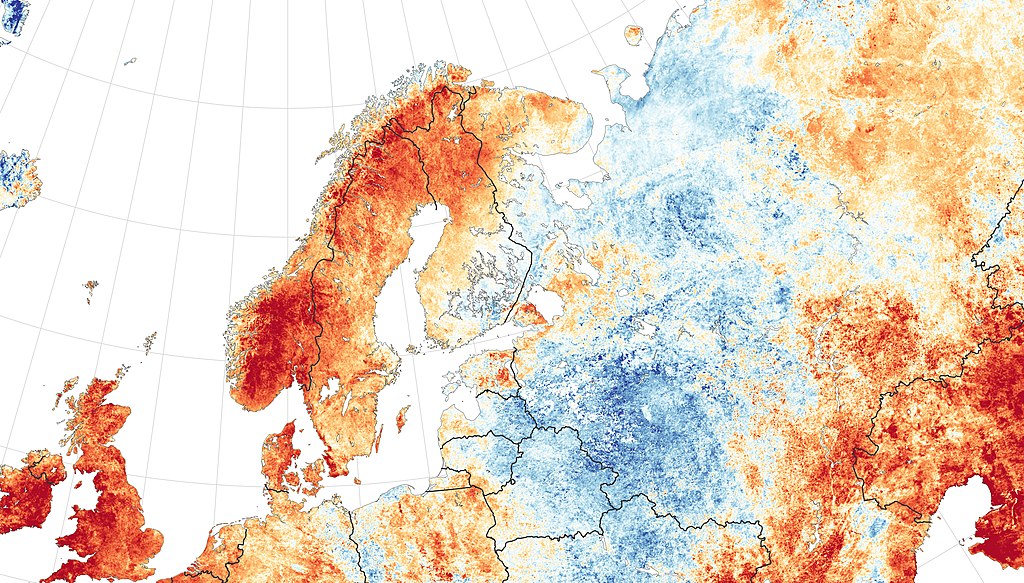
Preview Image: Scandinavia Temperature Anomalies in 2018