In its broadest sense, artificial intelligence (AI) is information acquisition and processing by machines, especially computers. Humans do these things too, but at a far slower rate. Artificial intelligence and battery research are benefiting from exponentially faster machine data processing. We set this post aside to share one example of this ‘brave new world’ we are entering.
New Lithium Alternative Uncovered by AI Battery Research
All the materials in the world are already there, we just need to discover them. Microsoft and Pacific Northwest National Laboratory decided to track down all the substances that could reduce lithium use in battery electrolytes.
Science had not attempted this exercise before, because the manual process could take at least two decades to complete. Perhaps they believed there were better short-term uses for their time. Maybe the idea never entered their minds previously.
Whatever the actual case, artificial intelligence and battery science have just taken a giant leap forward. Machine processing has identified 18 promising materials that could reduce the amount of lithium in electrolytes.
A Microsoft vice president told BBC News this technology could “compress 250 years of scientific discovery into the next 25”. He added that he believed this was they way that this type of research could be done in future.
How Lithium Was Waiting for Artificial Intelligent Research
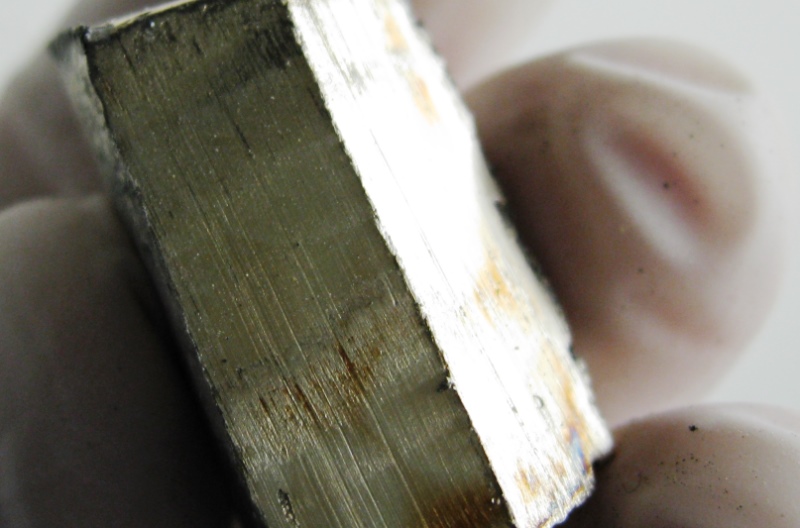
The popular media sometimes call lithium metal ‘white gold’, because it is silvery and commands high value. High lithium prices are the result of lithium’s scarcity and high conductivity. Great efforts are underway to find an alternative material.
At the same time, battery scientists are working hard to develop new battery technologies that use alternative chemistries. Meanwhile, the International Energy Agency has suggested that, “the world could face a shortage of lithium as soon as 2025” according to BBC News.
The exponential growth of lithium-based batteries is pushing the world in the direction of a global shortage. This research by Microsoft and Pacific Northwest National Laboratory explores an alternative way to address this concern.
More Information
US Lithium Smackover Reserve Beats Estimate
Nationally Significant Lithium Extraction in UK