Peaker power plants kick into life when the grid is maxing, and might otherwise brown-out or trip. In California, peakers have traditionally been natural gas-fired diesels that blow off black smoke when they fire up. U.S. News published welcome news on May 21, 2019 of storage batteries closing peaker plants in California. So it seems peaking battery storage is finally coming of age.
Falling Prices Key to Batteries Closing Peaker Plants
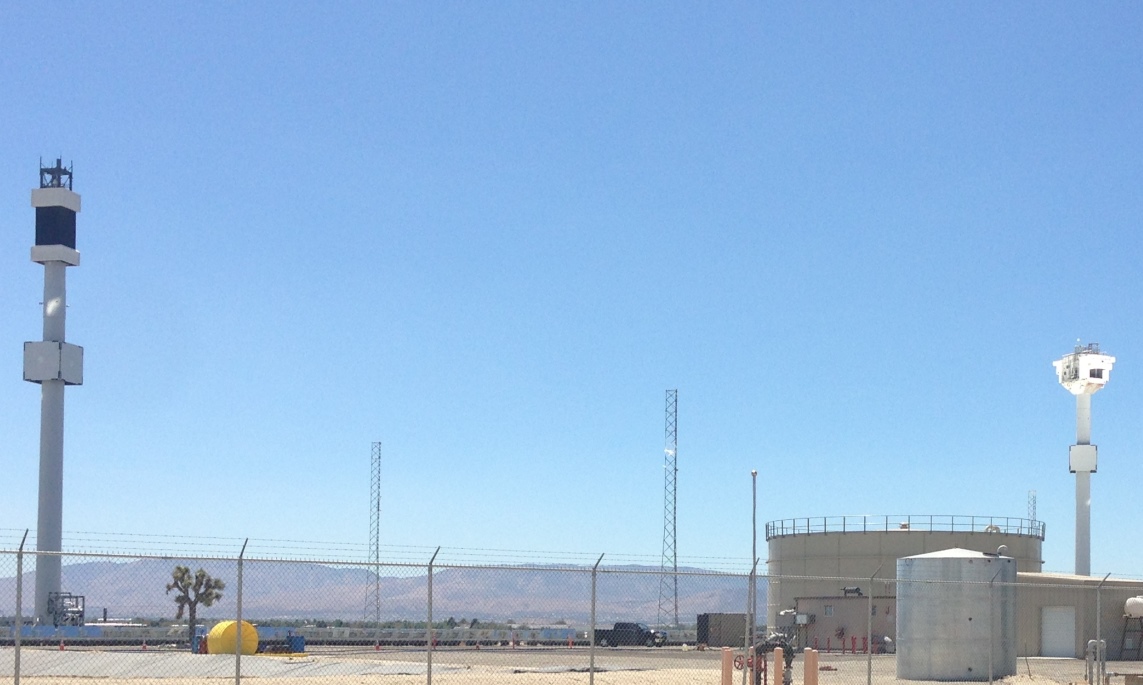
U.S. News reporter Alan Neuhauser explains how utilities customarily rely on gas turbines. However, these often only run a few hours a year, outside of which the technology is wasted.
Moreover, four to six hours of energy storage is technically sufficient to replace most of these peaking assets, he continues. “As battery costs continue to fall, battery storage systems have become economically more attractive alternatives.” This is shifting the balance between batteries that have been expensive to install, and diesels pumping out emissions.
Could This Be The Camel’s Nose Under the Tent?
Arabians use this metaphor to express the thought a camel’s body soon follows when it sniffs a tasty treat inside. Several U.S. states including Arizona, California, Hawaii and New York are already seeing batteries closing peaker plants that are aging fast.

Southern California Edison joined the movement in April 2019. That was when it canned a proposed new 262 MW gas plant in favour of a smaller 195 MW battery set. However, the reasons go deeper than being cost-competitive and carbon frugal. Battery storage is also more operationally effective because it comes online in nanoseconds.
U.S. News reports Arkansas, Colorado, Georgia, Hawaii, Minnesota, Nevada and Texas all have new solar-plus-storage projects in hand. The camel may not be inside the tent just yet. But it sure is sniffing out stepping stones towards the entrance.
Related
Batteries Replace Peaker Plants in NYC
Peaking Gas Teams Batteries at Edison
Preview Image: The Natural Wonder Called Sunshine