A Double-edged sword is something that has, or can have, both favorable and unfavorable consequences according to Merriam-Webster. New research by Eric S. Hittinger and Inês M. L. Azevedo as reported by ACS Publications suggests this may apply to battery storage too. Whether or not a particular application of battery storage is a double-edged sword or not, depends on whether the configuration used increases total carbon emissions.
When Battery Storage is a Double-Edged Sword under Arbitrage
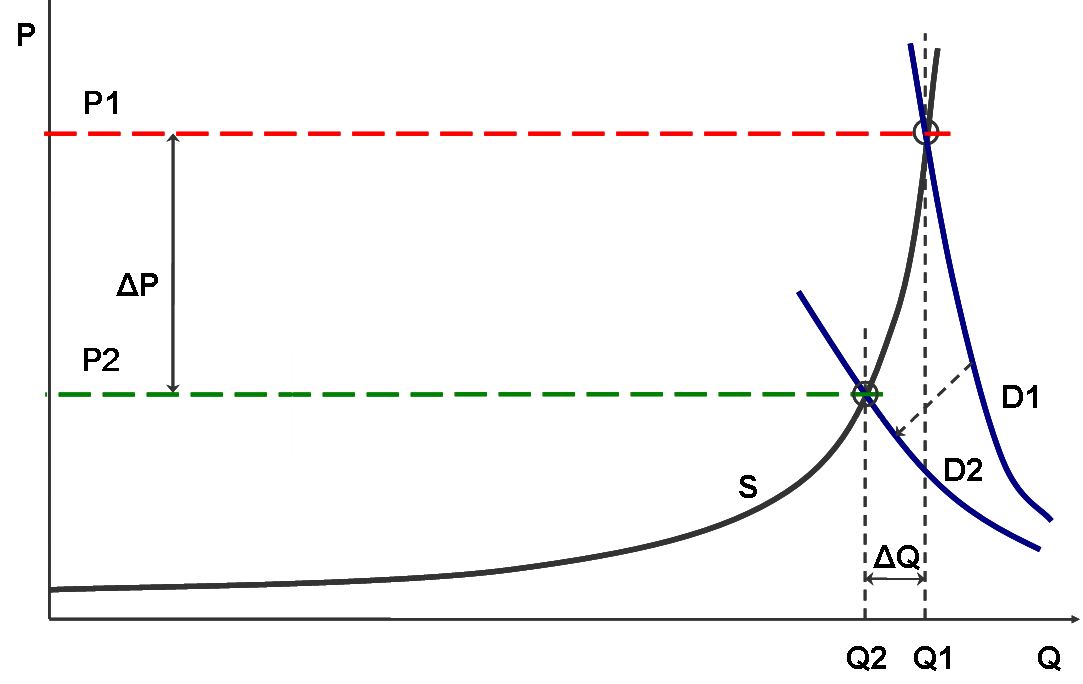
This is a complex topic. We will do our best with the few words at our disposal. Arbitrage is a trading strategy where a dealer acquires a product at a lower price, and sells it on when demand (and price) are higher.
Energy deployed under an arbitrage policy may increase emissions under two sets of circumstances. First, if the utility stores electricity from a coal power plant overnight, and sells it in the morning during high demand. Then it increases carbon emissions if it displaces renewable and natural gas in the process.
Moreover, secondly, battery storage is a double-edged sword if ‘round trip efficiency’ is low. In this instance, the loss during internal processing may require additional power generation elsewhere. Depending on the source, this may increase overall carbon emissions too.
How Widespread Are These Concerns in the United States

ACS Publications website Vox is critical of the way battery storage is typically used in the U.S. today. “This enables more fossil-fuelled energy and higher carbon emissions. Emissions are higher today,” it says, “than they would have been if no storage had ever been deployed in the US.”
This has nothing to do with the intrinsic potential of battery storage to empower renewable energy. The situation will rectify itself as soon as renewable energy obtains the majority in the U.S. generating mix,- and as batteries become more efficient too.
Future generations will write this disparity down to growing up pains. Humanity is moving towards a greener, more responsible era, albeit despite powerful vested interests holding us back.
Related
Battery Storage Set to Boom in 2017
Tesla’s 100 Meg Battery Is Not Just for Storage
Preview Image: Chernobyl Nuclear Power Plant Control Room