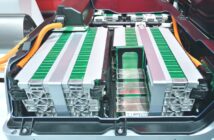
Lithium-ion battery chemistry is similar across various electric vehicles. However, the method of assembling the anode, cathode, electrolyte, and separator varies. Cell designs are generally of the round, prismatic, and pouch types. Epec Engineering Technologies reviewed BMW’s preference for round over prismatic cells, and explained their reasoning.
Comparing Round, Prismatic and Pouch Cells
An electric vehicle battery comprises a large number of individual cells. Each of these is capable of delivering energy on its own. But this is only a tiny amount, and so engineers group them together to obtain the desired capacity.
Round Battery Cells
Rigid cylindrical cells come closest to the original design, and are still popular as stand-alones in small, low-energy devices. Laptop batteries usually contain several of them because they are strong and unlikely to swell. However, their roundness is not the most space efficient.
Prismatic Battery Cells
Prismatic battery cells appeared in the 1990’s in response to a demand for thinner, cheaper batteries. They pack tightly into rectangular metal containers similar, if you like to packs of chewing gum. Our lead-acid batteries also stack their cells, although the chemistry is completely different.
Pouch Battery Cells
Pouch batteries surprised the world in 1995 as a more space-efficient alternative. Manufacturers can make them in almost any shape so they fill that part of the device precisely. They weigh less, because they do not have metal enclosures. However, they don’t last as long in hot, humid temperatures.
Why BMW Chose Round Over Prismatic Cells
BMW opted for round prismatic cells, because the classic design has caught up thanks to latest technology. The motor manufacturer’s version now apparently delivers better performance, lower cost, and reduced environmental impact at production plants according to InsideEVs.
Production costs could be as much as 50% lower, the website says. Energy density would also be more than 20% greater by volume, resulting in driving range stretching by 30%. The lithium-ion chemistry will continue to be of the nickel, manganese, cobalt type, although the cathode will use less cobalt and more nickel.
Breaking News
Pilots Learn to Fly on Batteries