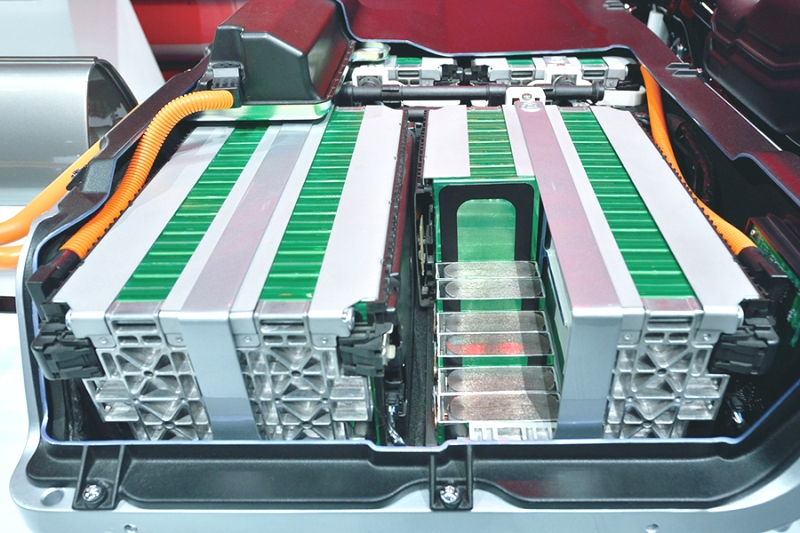
Improvements in technology are delivering faster, more efficient, and higher-voltage battery charging systems. But fast charging faces EV battery constraints it can’t fully outwit.
We review the limitations from the vehicle side, in particular the voltage-rating of the battery pack. Because this factor affects the maximum current that can flow through the charging station, and vehicle charging system.
How The EV Battery Throttles Fast Charging
The voltage of a battery pack has a big effect on how quickly an electric vehicle can charge. Because charging systems can only handle a certain amount of electrical current safely.
By increasing the battery voltage, more power can be delivered without increasing the current. This reduces fast charging EV battery constraints.
- If the battery voltage doubles from 400 to 800 volts, then the charging power can also double, allowing much faster charging.
- A further advantage is higher voltage systems need less current to deliver the same amount of power.
- Lower current creates far less wasted heat in the cables and charging equipment, making charging more efficient and reducing strain.
Most battery-electric passenger vehicles have battery systems of around 400 V. Traditionally, the industry regards this as a compromise between charging rate and battery performance / safety.
Towards An Ultra-Fast EV Charging Environment
Increasing battery pack voltage, as we considered above, requires a corresponding shift away from conventional battery materials. However, this implies even tighter control of cell quality, to mitigate risks associated with minor battery manufacturing defects.
Currently though, EV battery ultra-fast charging still faces constraints on the battery side. The limiter is the ability of battery cells to safely withstand higher currents, and how to safely manage the heat this process generates.
More Information
Charging EVs 5x Faster in Subfreezing Weather
Charging EVs as Fast as Topping Up Gasoline