Earth’s atmosphere – the precious air we breathe – was not always that way. In our planet’s formative years its atmosphere comprised water vapor, ammonia, and carbon dioxide. Later, early bacteria began exchanging oxygen for carbon through photosynthesis. We thank them, and their descendants plants, for the 21% oxygen in our atmosphere today. However, this ratio is changing because carbon is running ahead of plants.
The Layers in Earth’s Atmosphere
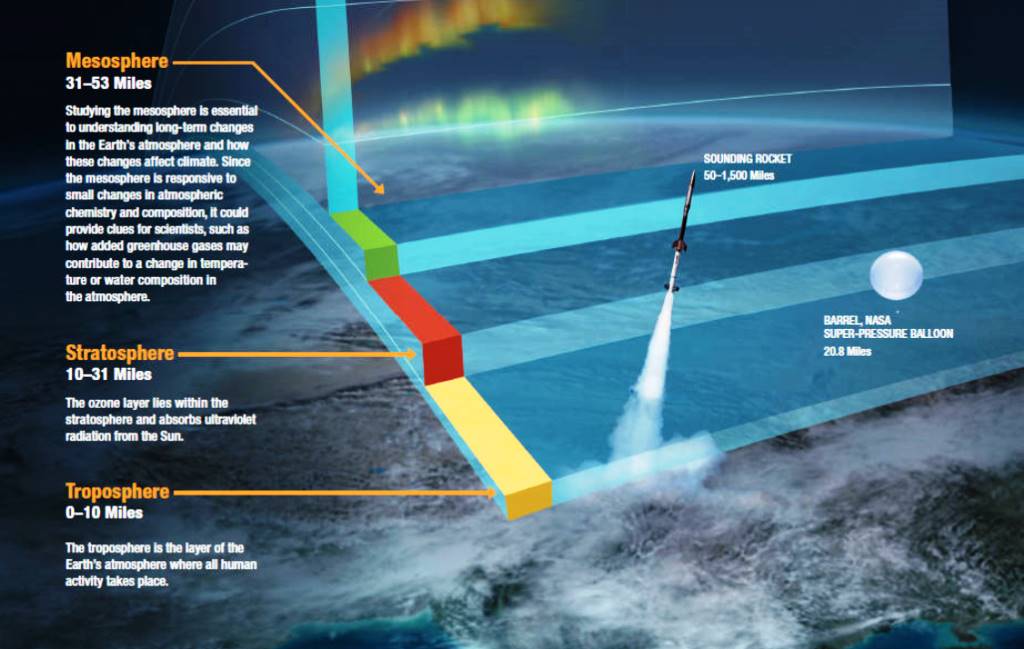
The oxygen ratio is not consistent, because it stratifies in different layers. The lowest of these levels, the troposphere is most suited for life as we know it. Up to an altitude of five to ten miles this comprises mainly oxygen, nitrogen, argon, and carbon dioxide.
Until a hundred years ago, trees and plants kept the ratio of oxygen to carbon relatively steady. Although this did cycle in a band affected by earth’s semi-variable orbit. This was a natural thing to do, since early bacteria and later plants and trees established the equilibrium in the first place.
How Carbon is Running Ahead of Plants
The First Industrial Revolution dealt nature two body blows we are only beginning to understand. The population began to boom as the benefits of new wealth spread. Progress demanded fields and forests for new factories with a healthy appetite for coal, leading to deforestation.
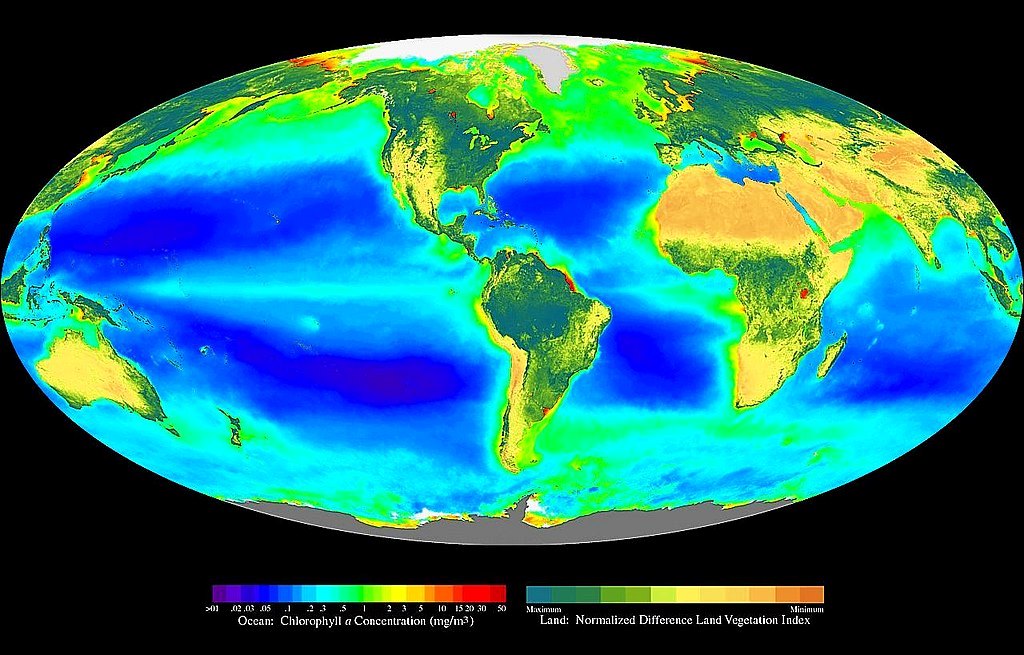
“The above is a composite image showing the global distribution of photosynthesis, including both oceanic phytoplankton and terrestrial vegetation. Dark red and blue-green indicate regions of high photosynthetic activity in the ocean and on land, respectively” (Wikipedia)
As a result, there are now fewer trees and plants to convert an increasing amount of carbon dioxide into oxygen. Carbon is running ahead of plants at an accelerating rate. Logically, we must stop our fossil energy consumption, and plant huge swathes of new forests, but we can’t. Why is this so?
Earth’s burgeoning population cleared huge tracts of land for mega cities in the West, and shantytowns elsewhere. Increasing the meaningful contribution of photosynthesis may take centuries. However, we could radically reduce the amount of fossil fuel consumption within a decade, if we really did try.
Related
How Deforestation Started Climate Change
How Does Carbon Reach the Atmosphere?
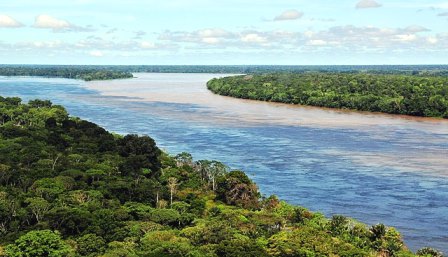
Preview Image: Amazon Rainforest