

When the SARS coronavirus was threatening back in 2010, researchers in North Carolina investigated temperature and coronavirus survival. They found the virus survived for up to 28 days at 4º C / 40º F, assuming 20% relative humidity. Rapid action followed after China found coronavirus on Tianjin ice cream, and from a factory 80 miles from Beijing. We needed to know more.
What Happened After China Found Coronavirus on Tianjin Ice Cream
The China government responded at accustomed speed when news broke five days ago. Authorities immediately recalled almost all 29,000 cartons in the batch still on store shelves. Mercury News confirmed they were tracking and tracing the remaining 390 sold in the city at the time of writing.
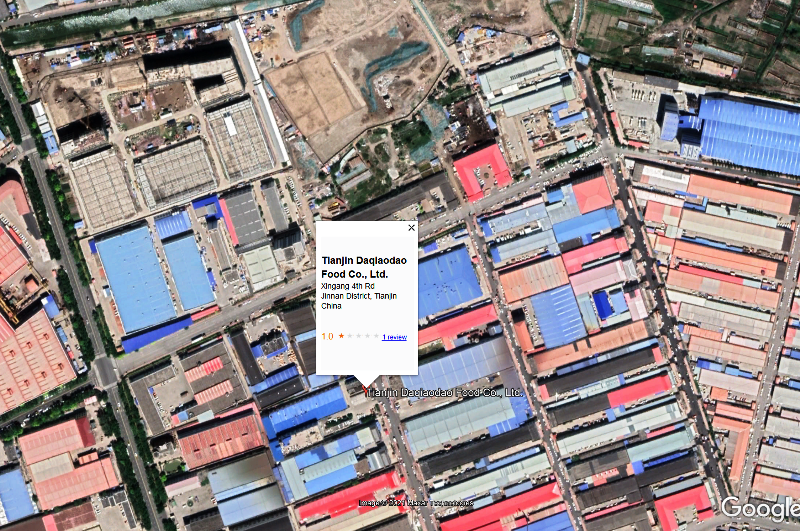
Meanwhile the Tianjin Daqiaodao Food Co. Ltd was on lockdown after authorities closed the doors. Moreover all 1,662 employees went under quarantine and passed through nucleic acid testing according to news channel Xinhuanet. Latest news we had was 700 tested negative for COVID-19, with results outstanding for the remaining 962.
Fingers Pointed at Overseas Foreign Raw Material Suppliers
Authorities took necessary measures to quarantine close contacts, and disinfect the work environment. They also conducted scientific studies to determine the origin of raw materials, after China found coronavirus on the Tianjin ice cream. They discovered New Zealand milk powder and whey powder from Ukraine among them.
The China government continues to insist imported fish and other foods triggered the original Wuhan outbreak, although other scientists disagree. Associated Press News confirmed no evidence of anyone contracting the virus from the ice cream.
We need to know whether the virus samples were dead, or active when tested. We hope for more information from China soon. This appears to have been an isolated, harmless incident with no reason to change direction.
Related
Three Japanese Positive With UK COVID
Pfizer’s Throttling Supply to Increase Capacity
Preview Image: Daqiaodao Food Co (Google Earth)


