Lithium-ion batteries are complex structures compared to others in the range, including our gel lead-acid batteries. However, they do pack more power and that’s what keeps their sales growing. The downside is of course that lithium-ion batteries can become unstable. Let’s take a peek at efforts to obtain real-time clearer insights into lithium-ion dynamics.
Lithium-Ion Insights Are Becoming Clearer
Rapid growth in electric vehicle sales and renewable energy generation has accelerated the need to monitor lithium-ion batteries. Meanwhile, there have been minor innovations to squeeze more out of the material.
We need a better understanding of what’s happening inside these batteries as they charge and discharge. That’s why scientists and engineers need clearer insights into lithium-ion battery dynamics.
But today’s battery management systems mostly only monitor voltage, current, and impedance at modular, as opposed to individual cell level. Susan Curtis writing in Optics and Photonics News explains how this makes it difficult to establish practical safety standards.
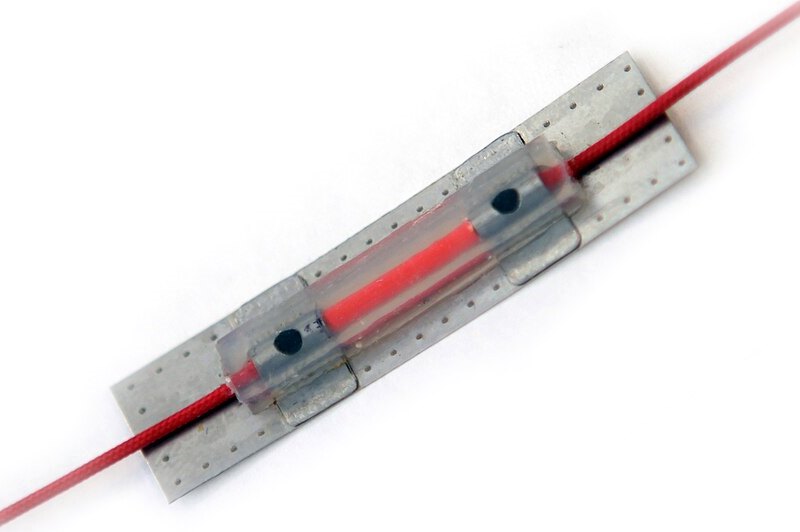
Optical sensors allow scientists to peer into the heart of batteries, and monitor internal lithium-ion events. These tiny devices convert light, or changes in light into electronic signals. They are already monitoring heart beats and adjusting smartphone screen brightness. So why not lithium-ion battery parameters too?
Optical Sensors Already Present in Some Lithium-Ion Batteries
Susan Curtis describes four types of sensors already providing clearer insights into some lithium-ion battery internals:
- Distributed fiber sensors measure the scattering of light along their length, and assess temperature and strain.
- Fiber bragg gratings with refractive index virtual mirrors rate temperature, pressure, and strain.
- But tilted fiber bragg gratings are more sensitive to refractive-index changes in the surrounding environment.
- While evanescent wave sensors with tapered mid-sections allow more light to escape, and interact with the environment.
Each optical sensor has its own application in the fight for safer batteries. Combined together, they can predict the behavior of individual cells as a team, even after they combine in larger battery packs.
More Information
Massive Lithium-Battery Fire Poses Questions