We have come to the end of this series. The post-2013 events are still uppermost in our minds, although the world has achieved little on the scale we need.
The 2017 United Nations Climate Change Conference
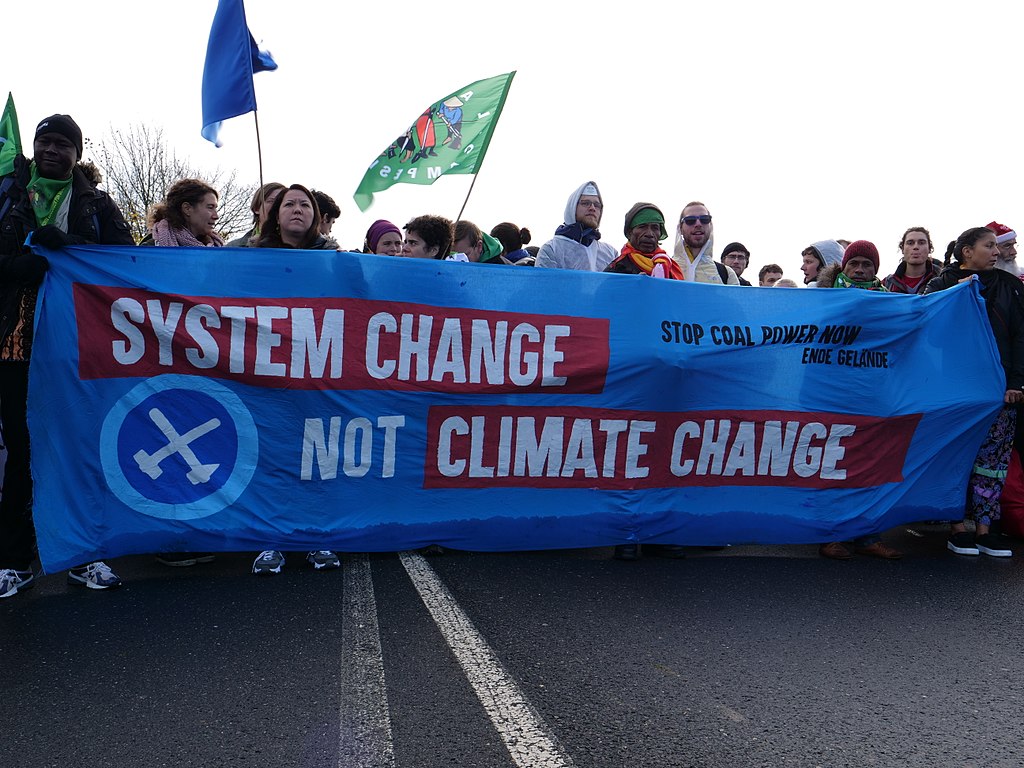
The 2017 Climate Change Conference (COP 23) was a disruptive event that started with protesters chanting ‘system change, not climate change’. The conference goal was to discuss and implement plans about combating global warming. This included details of how the Paris Agreement will work post 2020.
There was some significant progress with implementation guidelines for the Paris agreement. Although with the United States absent some may have seen the exercise as bordering on futile. A rift emerged between developed and developing countries. China and India suggested placing individual national emission cuts on the agenda. The conference commissioned a review into climate finance.
Expertise, Technology and Support for Climate Victims
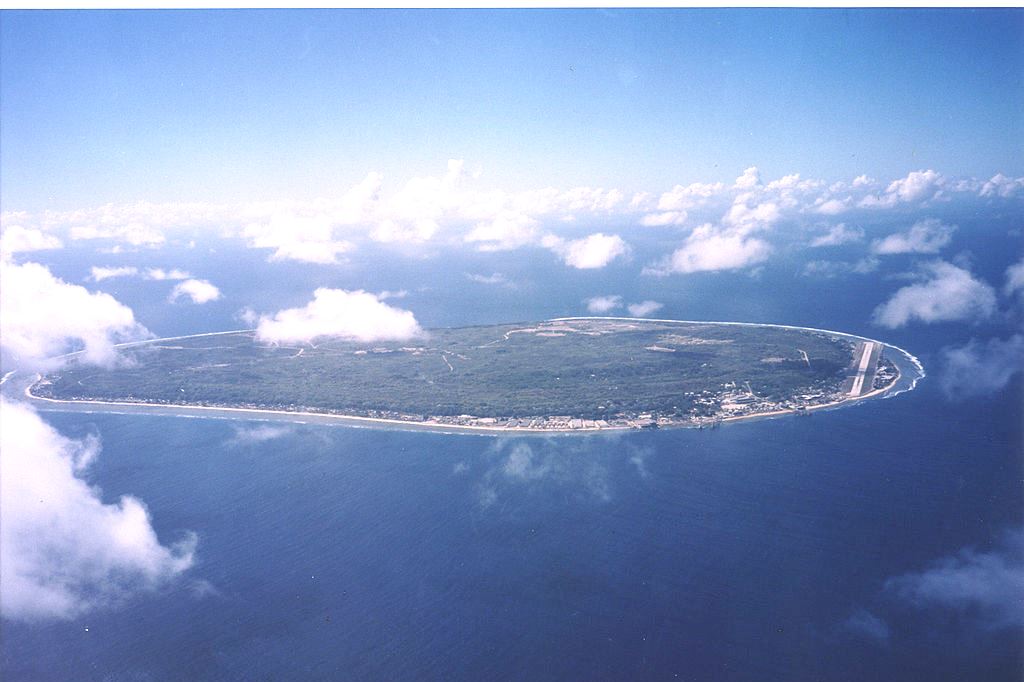
The conference scheduled a discussion regarding compensating victims of climate change for 2018. An example could be the Maldives, which are gradually vanishing under the ocean although they did not cause the problem. There was also progress with mitigating the effects of global warming on agriculture, and helping the industry adapt.
Another highlight was thirty countries – including Britain, Canada and New Zealand committing to phase coal out by 2030. However, this was only with respect to power generation. Emmanuel Macron said, “The fight against climate change is by far the most significant struggle of our times. Moreover, climate change adds further injustice to an already unfair world”.
Time for Developed Countries to Face Their Responsibilities
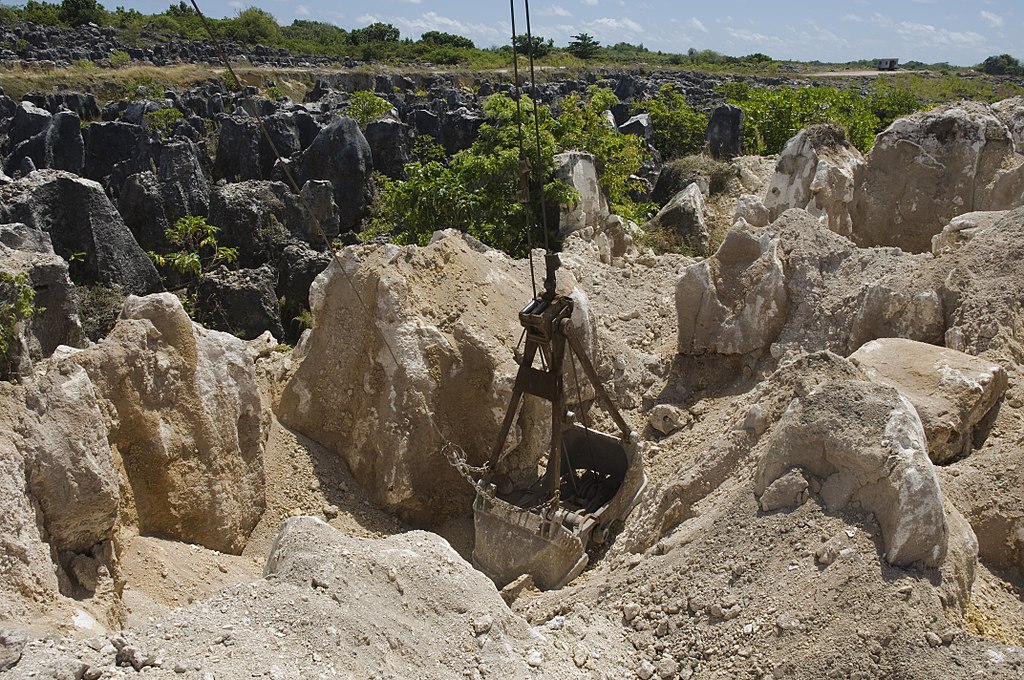
Baron Waqa, president of Naura commented, “It is now time for the developed countries to live up to their responsibilities.” Nauru is a Micronesian island community of 10,000 people living in an area of 8 square miles.
However, the only remaining arable ground on Naura is in a narrow coastal belt. Because phosphate mining at higher levels has stripped and devastated the remaining 80% of land. Scientists believe silt and phosphate runoff has killed 40% of marine life. It is therefore indeed time for developed countries to live up to their responsibilities for what they have done.
Related
Climate Change Part 35: Record Arctic Ice Shrink in 2012
Climate Change Part 34: World Population 7 Billion in 2011
Preview Image: Demonstrators at COP 23 Conference in Bonn