The coffee-loving world produces 60 million tons of spent coffee grounds annually, according to Science Direct. Italian researchers at University of Naples (see link below) suggest using the grounds to toughen brick and concrete. But a team from Kazakhstan and South Korea believe they could also make better sodium-ion batteries (see second link below).
What’s So Special About Spent Coffee Grounds
Used coffee grounds from brewing fresh, and manufacturing instant coffee are 50% rich in sugars, with proteins and organic-polymer lignins each contributing a further 20%. There are also significant traces of potassium, nitrogen, magnesium, and phosphorus according to Wikipedia.
The team from Kazakhstan and South Korea discovered how to synthesize pyrolytic hard carbon from the grounds. Then, more importantly for us, they found a use for the byproduct in sodium-ion battery anodes.
Contribution by Kazakhstan and South Korea Researchers
Sodium-ion batteries are showing promise as an alternative to their unstable lithium-ion cousins. The team focused their efforts on one particular aspect of these, sodium-ion anodes.
They hoped to establish the ideal doping level that optimized incorporation of phosphorus ions in the carbon framework. And thereby enhance its electro-chemical performance as a sodium battery anode.
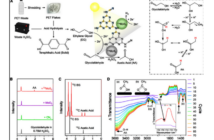
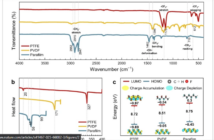
The scientists published their report in Carbon Resources Conversion. This information confirms their successful synthesis of hard carbon, using spent coffee grounds as precursor, and phosphoric acid as doping agent.
Subsequent tests using various concentrations of phosphoric acid produced positive density levels, and reversible capacities. These benefits underscore the potential of phosphorus-doped carbon in improving sodium-ion battery storage capability.
Why Does This Potential of Coffee Grounds Matter
The global warming crisis enforced the need to decarbonize electricity production through renewable energy. However, not even the best batteries – including lithium-ion – are fully up to the task. Better battery research has become paramount, with sodium-ion chemistry a front runner in the race.
More Information
Hydrogels Stop Sodium-Ion Battery Corrosion
New Sodium-Ion Electric Cars in China
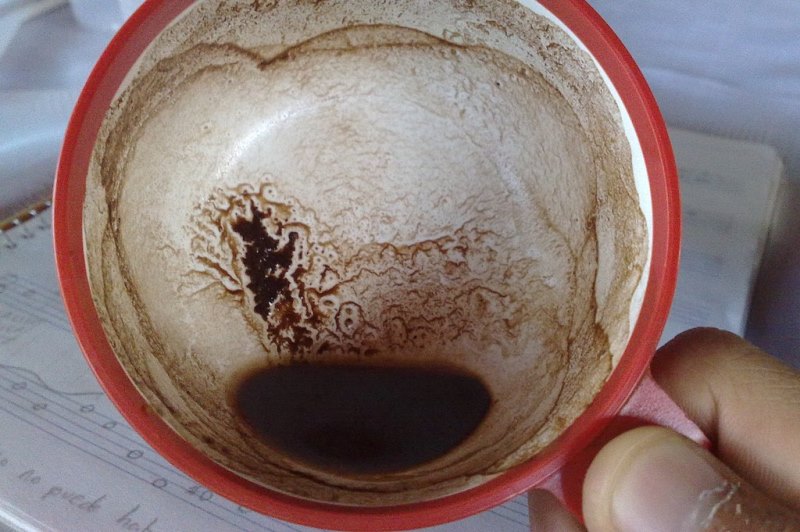
Preview Image: Coffee Grounds in a Mug