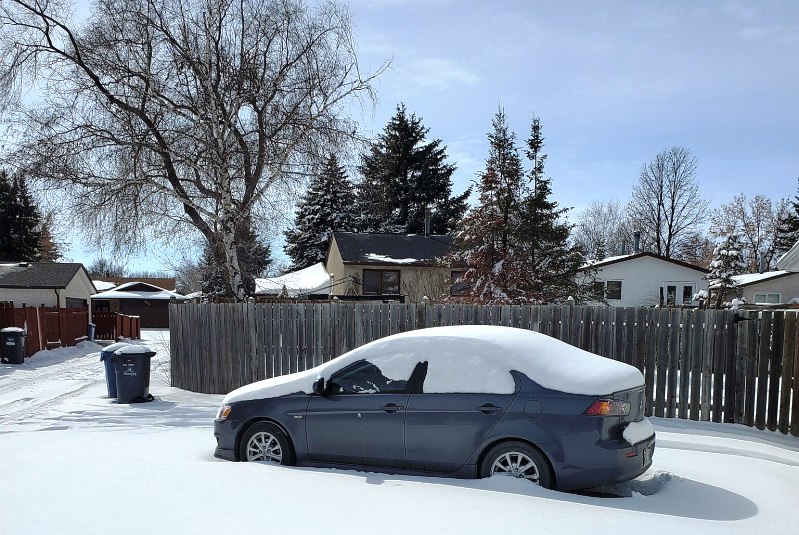
A cold night, or a chilly morning can tempt us to sleep in longer. The lubrication is thicker in our auto engines too, and also in the joints of some of our seniors. Batteries likewise seem to struggle to get going on exceptionally cold mornings, with cold lead-acid starter batteries being no exception to this rule.
How Cold Affects Lead-Acid Starter Batteries
Cold ambient temperatures make starter batteries weaker, and perform slower. This is mainly due to the chemical reactions inside the battery depending on comfortable temperatures. These are within the range at which we humans are comfortable too.
The battery electrolyte, a mixture of sulfuric acid and water, becomes stickier as the temperature falls. This slows the movement of the hydrogen and sulfate ions, and as a consequence the battery can no longer deliver high current quickly.
This situation puts cold lead-acid starter batteries on the back foot, and at the very moment they have to crank heavy automobile engines:
- At 0 °C (32 °F), a typical lead-acid starter battery can only deliver around 60% to 70% of its nominal power.
- But that’s not all. At around -18 °C (0°F), the battery can only deliver approximately 40% of its stated power.
Life Gets Even Tougher for The Lead Battery
That’s not the end of our starter battery’s woes. The oil has thickened in the automobile motor overnight, and demands more cranking power on a cold morning. A less enthusiastic starter battery, and a harder to turn gasoline engine, can be close to a perfect storm.
But there’s more to our motorist’s woes on a cold winter morning. A cold lead-acid starter battery also suffers from increased internal resistance. Its voltage drops under the heavy toll, or falls so low the starter motor just makes clicking sounds. This means its useful battery life is over.
The best we can do is make sure our starter battery is fully charged before we ‘tuck our auto up in bed’ for the night. The moral of our story is we should have a starter battery tested every six months, and trade it in for a new one at the first sign it is fading especially in winter.
More Information
The Best Starter Battery For Your Car