The Texas Department of Insurance and Safety distinguishes three main types of commercial and industrial batteries in use in its vehicles. The first two are flooded, wet cell lead batteries for starting and ignition, and valve-regulated versions for more sustained power. And thirdly it uses mainly lithium-ion batteries for powering electric and hybrid vehicles.
Precautions When Handling Commercial and Industrial Lead Batteries
Flooded wet cell and valve-regulated lead batteries contain sulfuric acid. This corrodes metal, damages human tissue on contact, and can be deadly if swallowed. That’s why manufacturers encase their batteries in stout, shock-resistant cases.
Recharging, moving or shaking a lead-acid battery may produce flammable hydrogen and oxygen fumes, that escape through the battery vents. These gases can ignite in the presence of open flames, and even cigarettes.
Most lead acid batteries have flame arresters in their vents to prevent this happening. Despite this, Texas Department of Insurance and Safety recommends keeping grinders, welders and other electrical equipment at a safe distance.
Essential Safety Tips When Handling Electric Vehicle Batteries
Commercial and industrial batteries in electrical and hybrid vehicles contain large amounts of stored electrochemical energy. This is sufficient powerful to fatally injure a person if they come in contact with a live circuit. Most manufacturers install a safety switch to isolate the battery when the vehicle is worked on.
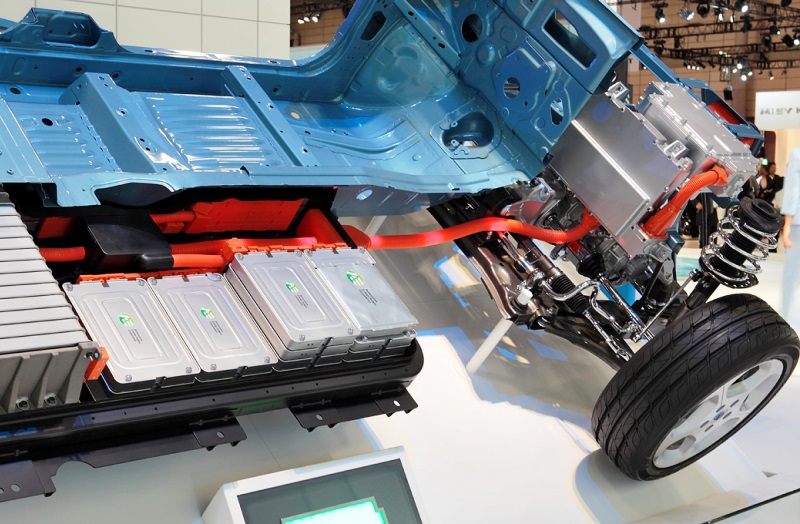
Many electrical vehicle makers also color-code high voltage wires orange, but others use blue ones. A person working on an electric or hybrid vehicle therefore needs to know where the switch is, and the wiring conventions.
Basic workshop safety precautions should include storing the remote key away from the vehicle, and disconnecting the safety system. A qualified person should then inspect the high voltage components for integrity. The wiring should then be safe to work on, using insulated tools to protect the technician from residual stored energy in some components.
Recent Posts
How All Batteries Work 1: In the Beginning
Chemistry of a Battery Part 2: Electrolyte
Preview Image: Orange EV Battery Cables