This the second article in a two-part series delving into the finer details of lead-acid battery cycling. We described how sulfate from the sulfuric acid electrolyte orchestrates the process in the first post. Now it is time to go deeper into the chemistry and the technology.
Ions in the Battery Create the Current Flow
Lead-battery acid contains microscopic hydrogen and sulfate ions, with net electric charges. But sulfate ions are negative, while hydrogen ones hold positive potential. When a user draws energy from a battery to a device, sulfate ions move from the electrolyte to the negative plate and surrender that energy.
This lowers the sulfate concentration in the sulfuric acid electrolyte. Moreover, the sulfate ions gathered on the plate reduce its conductivity too.
Meanwhile excess sulfate ions flow out through the negative battery terminal to the connected device. They energize it as they continue on their journey to the positive battery plate via the positive terminal. However, the lead battery loses charge in the process, and eventually becomes fully discharged when all the sulfate ions are used up.
Finer Details of Lead-Acid Battery Cycling – Recharging
Rechargeable lead acid batteries go through cycles of charging and recharging. Some, like those in automobiles and security systems do this automatically on the fly. While others, for example in stair lifts and scooters recharge manually. In both cases, ‘recharging’ involves moving the sulfate ions back into the electrolyte.
However, there is something important to note among the finer details of lead-acid battery cycling. That’s because lead batteries are sensitive to temperature extremes. They don’t like to get out of bed on a frozen winter morning any more than we do.
This is why your auto starter battery cranks the motor slower on cold mornings. Batteries are more likely to fail completely in winter too. Therefore check your battery condition regularly. And replace it as soon as you detect t is running low on sulfate ions.
Related Information
The Secret Life Inside Lead-Acid Batteries
The Main Types of Lead Acid Batteries
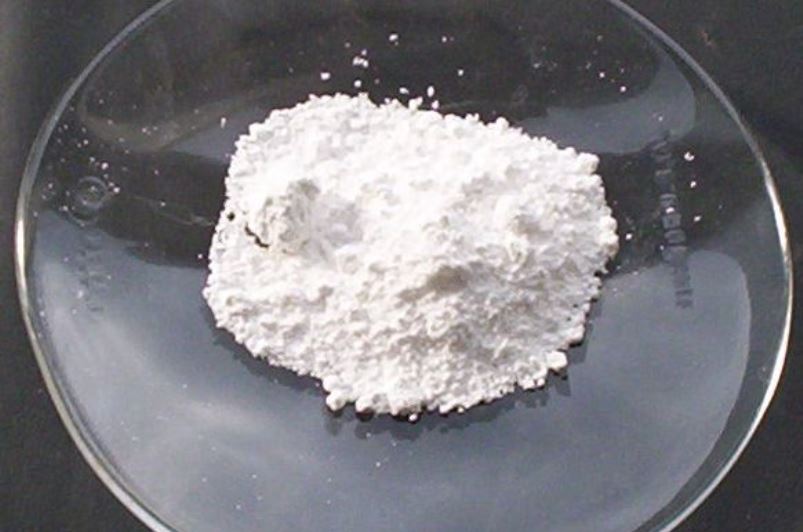
Preview Image: Lead Sulfate in Powder Form