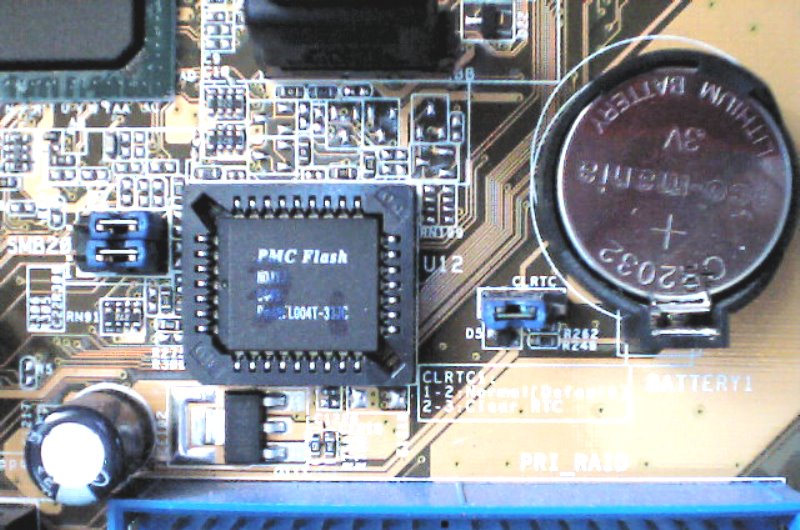
We can store energy in many different kinds of ways. We could do it, for example by tensing our muscles to throw a baseball. We would then release that energy when we threw the ball through the air. But we can also store energy inside our devices using batteries and capacitors. Today we pose the question, how do we draw a line between these two amazing inventions?
Batteries and Capacitors Store Energy Differently
Perhaps the more important question we should ask is how they store their energy, not where. Science-New-Explores answers this question as follows:
- Batteries we come across daily, store their energy in their chemicals
- Whereas capacitors in our devices store their energy in electrical fields
However, in either case this energy is merely electrical potential, when we hold batteries or capacitors in our hands. We can’t switch on a light bulb, or operate a printed circuit board when we hold it in the other one.
We need to find a way for those potential electrons to flow through the device. We call this path an electrical circuit. And this could turn on that light, or energize that printed circuit board if we configured it correctly. However, those two storage devices are not interchangeable, because each has a specific role to play.
Sizing Up the Two Storage Devices Briefly
Batteries may come in different designs and shapes, but they all perform the same function. This purpose is to provide current, so electrical devices can operate. Some batteries are for general use, while others are shaped for particular applications.
Capacitors by comparison have more limited roles. Technicians include them in printed circuit boards to block direct current, but allow alternating power to flow for example. Others fine-tune signals to shape applications. But capacitors are also becoming stores of energy. An overlap is evolving.
More Information
What Happens Inside a Leclanche Cell?