If you own any technical device from a smart phone to your macbook, you are connected to Congo. With the demand for technology, much of the third world – and the Democractic Republic of Congo (DRC) in particular, are exploited for the first world’s technological gains. It’s led to a decade0long war that has claimed the lives of six million Congolese, and is cited as the bloodiest conflict since World War II.
Conflict minerals fuelling conflict:
Devices ongoing reliance on Congo’s minerals have profoundly impacted the country and justified violence, and war as various groups compete to deliver the resources needed by North American buyers and sellers of these minerals. The same devices that help facilitate our lives, bring about greater global connectivity, and make us happier, are a source of great divide in Congo.
Countless Congolese have endured suffering by the hands of the country’s two ethnic groups in conflict: the Hutu and the Tutsi – both of whom are now using the minerals found in Congo’s mines to fund the armed conflict that has ravaged the country since 1996.
The mineral journey:
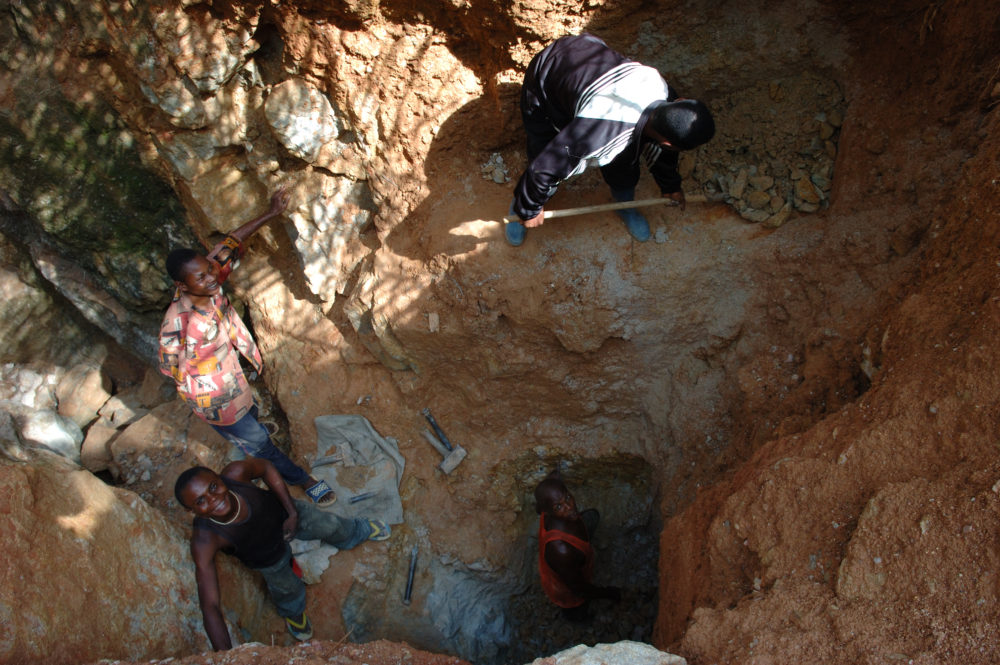
After they are dug up in central Africa, the minerals go through a bunch of suppliers, making their way to Asia and in other areas around the world where they are smelted into metals. Then they go onto the wider world market, where they eventually end up in electronics, jewelry, and vehicles. It’s this complex and lengthy process of supply to chain that has enabled electronic firms to claim that detering whether their products perpetuate a cycle of rape and killing in the DRC is an arduous task.
Current US legislation to stop conflict wars:
New legislation within the first world tends to require companies to trace these minerals back to where they were dug. Companies registered with the US Securities and Exchange Commission (SEC) have to disclose the use of conflict minerals sourced from the DRC in their product, as required under section 1501 of the U.S. Dodd-Frank Wall Street Reform and Consumer Protection Act (PDF). If firms find that the mineral do originate from the DRC, or an adjoining country, they have to report on their efforts to determine the mine, or to make sure that armed groups are not benefiting from the trade of these minerals.
But it still doesn’t stop the cycle of exploitation. Even though many major US registered electronic firms are saying that they will end the use of conflict minerals, many are trying to weasel their ways through the disclosure requirements under Dodd-Frank legislation.
Main minerals extracted from Congo:
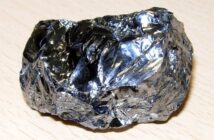
The three main minerals considered a major source of conflict in the DRC are cassiterite, Coltan, and wolframite – often referred under the acronym 3T, which is a reference to the tin, tantalum, and tungsten metals that are derived from them. The fourth conflict mineral is gold.
What will boycotting do?
Since there are very few mines that are certified as conflict free in the DRC, some smelters have stopped sourcing minerals from the country. But this de facto boycott places Congo in a potentially bad state because it inhibits its ability to sell and capitalize off its mineral wealth.
Related: