

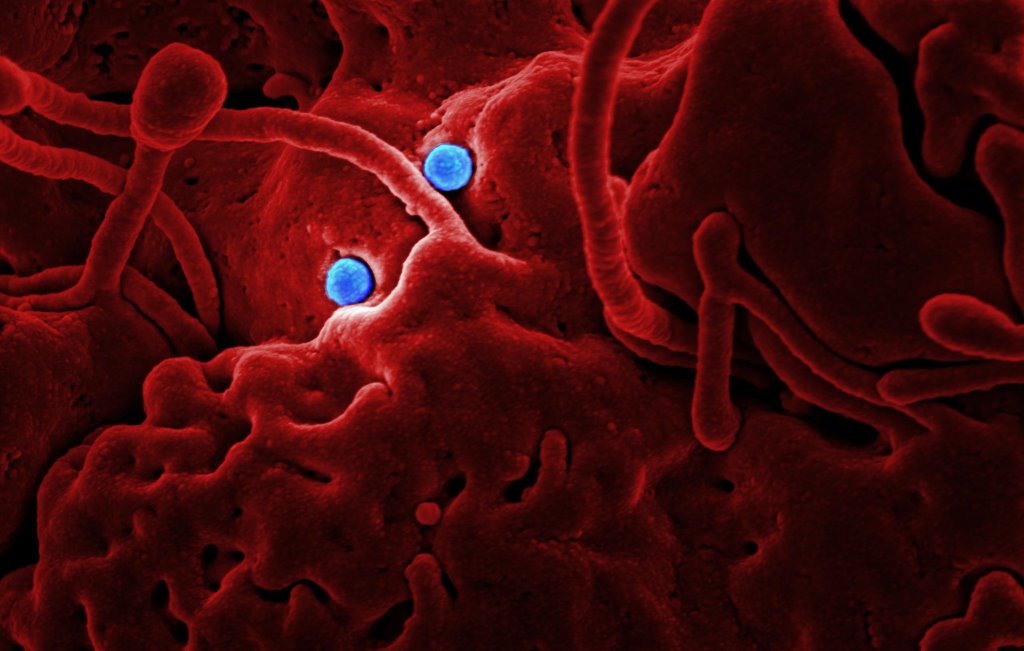
Coronavirus can cause upper tract infections, including severe acute respiratory syndrome. Moreover, pneumonia or bronchitis can follow and perhaps even death. The consequences of global warming are widespread and still rippling out. We wondered whether there was a link between China’s coronavirus epidemic and temperature, and did some investigating.
Are Humidity and Heat Speeding the Coronavirus Epidemic?
First, we scanned the records of the U.S. National Library of Medicine. Then our eyes fell on a report the American Society for Microbiology filed in May 2010. The title reads “Effects of Air Temperature and Relative Humidity on Coronavirus Survival on Surfaces. Were we on to something?”
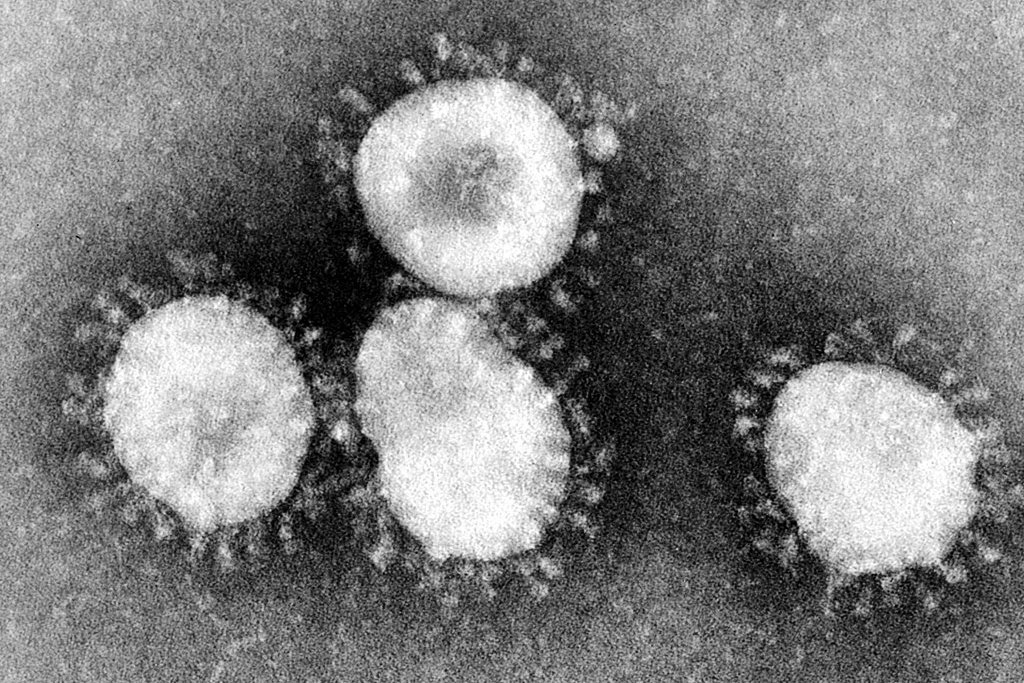
We make lead-acid batteries for a wide range of devices. Therefore what follows is our best understanding of the American Society for Microbiology report we link to below. This summarizes the work of five researchers at the Gillings School of Global Health, University of North Carolina. It reports an inverse relationship between higher temperature and humidity, and virion survival outside hosts.
Our High Level Summary of The Effect of Temperature and Humidity
The researchers wanted to know how long the virus would survive outside a host. So they placed samples on stainless steel surfaces, and varied humidity and temperature to see how this affected the life spans of the samples. They found these virions remained active for between 5 and 28 days at 4°C at all humidity levels. However, their deactivation rate was far more rapid at 20°C.
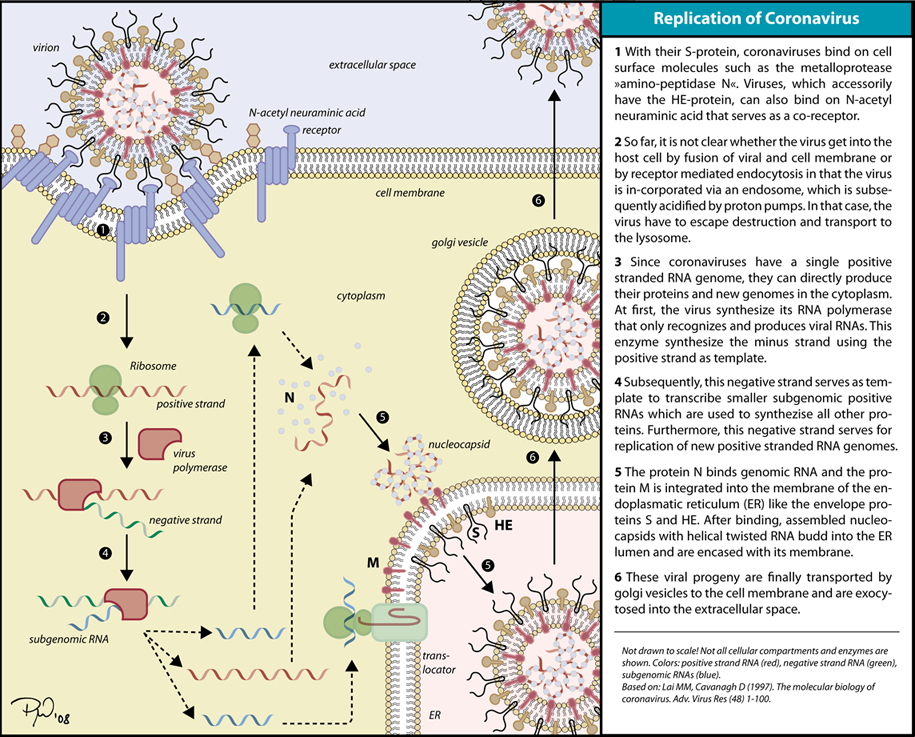
We are thankful this report does not suggest a link between higher temperature and the coronavirus epidemic. However, the world could still be facing a possible pandemic if China cannot contain it. The 1918 Spanish Flu pandemic killed 50 to100 million people globally. Since then our understanding of viral infections has grown exponentially.
Therefore, we must stay calm and follow the advice of our government specialists, and hold China in our minds while it tries to rein in the epidemic.
Related
What Climate Is – An Introduction to Change
Climate Change Could Last Forever
Preview Image: MERS Coronavirus Particles



2 Comments
What an sillly assumption that global warming has something to do with the virus. I assume that this was thrown in to trap non-scientists into reading the article. The good news is that the author has brought to everyone’s attention that biological things typically change faster at warmer temperatures (that’s why we have refrigerators). Fortunately the virus is harmed at relatively low temperatures (that’s why we run a fever to kill viruses).
Please tell me why we are not being instructed to turn up the thermostats to 85 degrees for a week? I know it would not kill all the viruses, but from what is stated in this article it should flatten the curve significantly since viruses will not survive as long thus reducing chances for any individual to come into contact with them.