There is no longer any more doubt about it in our minds. Batteries have assumed a role we might not have thought possible five years ago. Think about it. How could we communicate in an instant across the world without them: where would wind and solar be on their own? But new frontiers still await battery scientists. Could batteries charge in five minutes someday?
Batteries Could Be Even More Critical Going Forward
We must have efficient wind and solar storage, if we are to remain active regardless of the weather and the time. This again implies we need storage batteries, but they must be efficient too. However, there are still a few challenges to overcome before we reach that point:
- Batteries use scarce materials. These are expensive to extract.
- Battery manufacture takes precious time and costly technology.
- Batteries take too long to recharge and they wear out too soon.
Humankind could benefit in many ways if we had more efficient batteries. Their prices could come down, leading to cheaper electricity and cheaper electric cars, and more affordable laptops and phones too.
Internal combustion engines and coal and gas power stations could vanish forever with efficient batteries. But perhaps only after we no longer had to ask could batteries charge in five minutes, because they had already exceeded that standard.
Could Lithium-Sulfur Batteries Charge in Five Minutes?
Yes, lithium-sulfur batteries could charge in five minutes, according to latest research. In this instance, a team at University of Adelaide, Australia, re-visited the sulfur-reduction-reaction in lithium-sulfur batteries. This phase is critical, because it determines the charge-discharge rate.
The researchers reviewed a variety of different metal catalysts, before they chose a combination of cobalt-zinc and carbon material. The link to their report below details how this composite material delivered an exceptional power-to-weight battery density ratio, and could charge in less than five minutes.
Footnote:
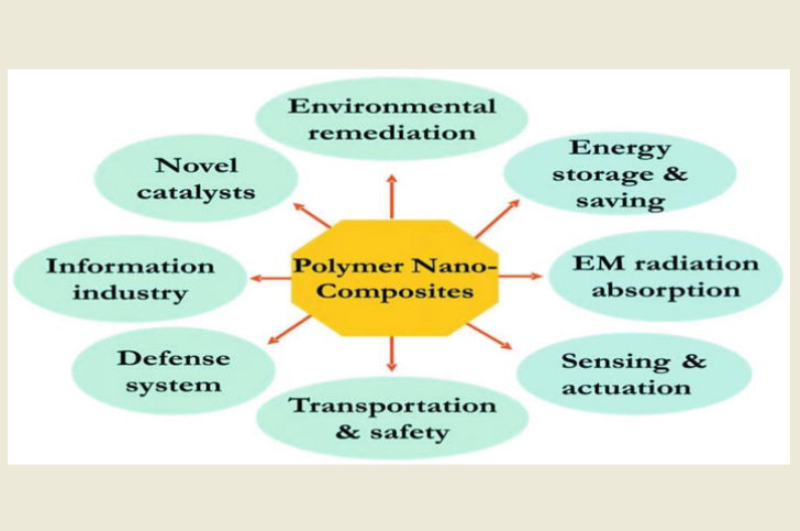
The researchers used nanocomposite materials in this instance. These are extremely small particles shaped into tubes, rods, or fibers. They form out of diverse or hybrid substances, and are mostly polymers combined with organic clay or oxide solids.
More Information
Metal Nanoclusters in Lithium-Sulfur Batteries
Talk for Five Days on Lithium-Sulfur Power
Preview Image: Polymer Nanocomposite Applications