

America’s decision to evacuate its citizens from Diamond Princess in quarantine at Yokohama was a calculated risk. The same tragedy has played out as was the case with the Westerdam incident. We now know the Covid-19 virus is more unpredictable than we ever thought. The New York Times revealed how 14 cruise passengers brought the virus home to America.
How the Cruise Passengers Brought the Virus Home with Them
American authorities believed the over-300 passengers were healthy, before they disembarked them from the ship. Then they packed them into buses and ferried them to Haneda Airport in Tokyo on February 16, 2020. They were just about to board a charter flight when their infections began to show.
Fortunately someone had anticipated the possibility and there were segregated areas on the airplane. This reversed an earlier policy stipulating the U.S. would not allow infected people to emplane for America. The decision was made very early today, February 17, 2020. We can imagine the high drama that played out and the emotions running high.
The 14 Passengers Tested Negative Two Days Previously
We are scratching our heads trying to figure out how this can happen with all the experts attending. The 14 cruise passengers brought the virus home despite, we imagine top viral security.
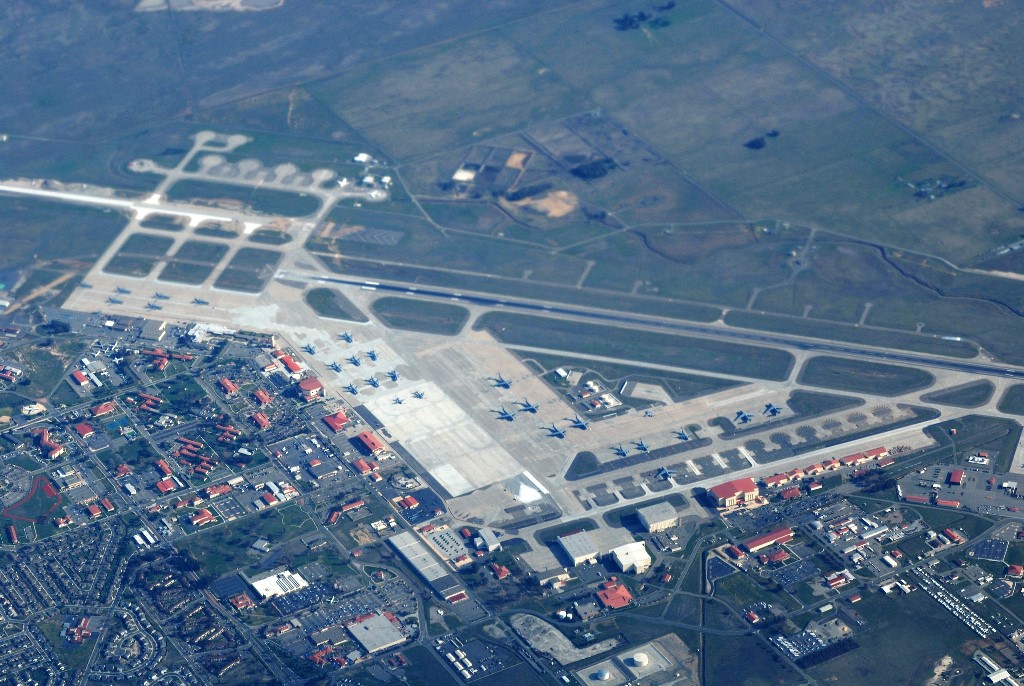
One charter flight had already landed at Travis Air Force Base in Fairfield, California at the time of writing. All passengers on that flight will undergo a 14-day quarantine period. Those with the virus will move to another site better equipped to provide isolation facilities and high care.
The United States previously had 15 known infected cases to deal with. It now has 29 and possibly counting. We are up and down on a roller coaster and we cannot predict what happens next.
Related
Small Covid-19 Footprint in Africa Emerging
Coronavirus Has Escaped from Westerdam
Preview Image: Travis Air Force Base in California


