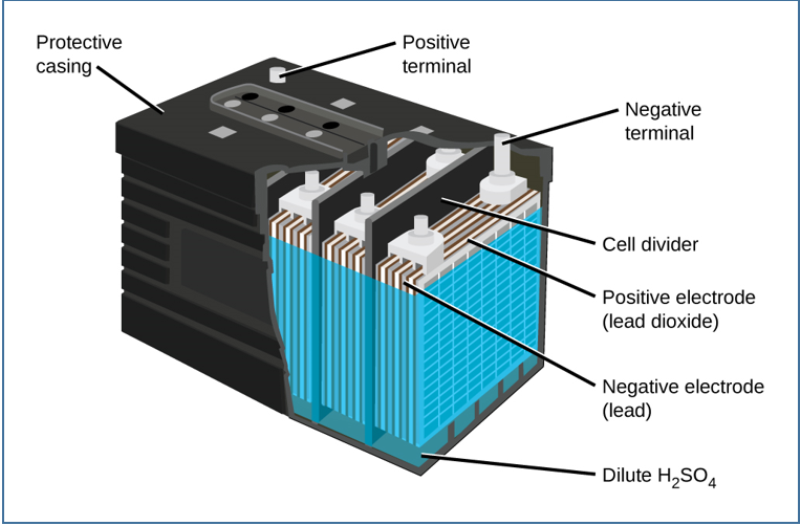
Lead batteries are so solid and dependable the average consumer may believe they are all the same. We wrote this post to explain the differences in lead acid batteries we believe they should know. That’s because we are for consumer rights and informed purchasing decisions. When customers purchase our batteries, we want them to do so because they understand the product.
Determining the Quality of a Lead Battery from the Weight
Lead batteries are heavy because their main constituent is lead. It’s a no wonder fisher folk use lead for sinkers. Did you know lead is one of the heaviest metals, especially if we factor in the price? This is relevant because lead batteries store their energy in their lead plates.
Lead is also the most expensive component. Therefore, the quantity of the material in the battery influences price. Installing thinner lead plates, or using lead alloys may well bring production cost down. However, it also reduces battery capacity, being the amount of energy it can store and deliver.
Unpacking the Functional Differences in Lead Acid Batteries
Battery capacity is the amount of energy it can store over time. We use this measure, because a battery cannot discharge all at once without risking damage. A battery label should specify the available current over time, usually 20 hours at room temperature. So if the rating is 200 amp hours (Ah) it should be able to deliver 10 amps over a 20 hour period.
Allowing a lead battery to discharge instantly, or fully over time can damage the internals. Therefore, it is wise to maintain a buffer of charge. Reserve capacity is a measure of how long a battery can operate safely before recharging. These are the most important differences in lead acid batteries to consider, over and above price when purchasing a replacement item.
Recent Posts
Pros and Cons of Lead Acid Batteries in Use
The Main Types of Lead Acid Batteries
Preview Image: Cutaway Diagram of a Lead Battery