The first electric cars appeared at the close of the 18th century. Many early motorists rated them highly, because they were quieter than gasoline vehicles, and easy to start without a crank handle. But, limited lead-acid battery driving range restricted them to town use. Then the arrival of electric starters froze the electric car battery evolution in its tracks.
Several factors lead to fresh interest in electric vehicle transport in the past ten years. Global warming became an imperative to move away from gasoline and diesel motor power. But technology was also whittling away at range anxiety, with better batteries, and public electric vehicle charging stations.
Recent Revolution in Electric Car Batteries
A few, persistent enthusiasts kept punting electric transport, which maintained a foothold with electric trams and trains. However, these had to follow electrified routes, which did not always suit a post-war generation seeking instant gratification.
The first real step-forward in the new electric car battery evolution, occurred when nickel-metal-hydride batteries entered the market. These were smaller and lighter than lead-acid batteries, and were able to store more electricity too. A new generation of pure and hybrid battery vehicles appeared, although market take-up was minimal.
An Unexpected Turn of Events For Batteries
Global warming was known only to a few scientists until twenty years ago, while the rest of the world still largely remained in denial. However, smarter phones and portable computers were catching on fast, and demanding longer battery run-times between charges.
Things came together in the 1990’s, with the advent of lithium-ion batteries. These new, more powerful cells were up to the challenge, when the call came to slow global warming, and decarbonize transport as we are striving to do now.
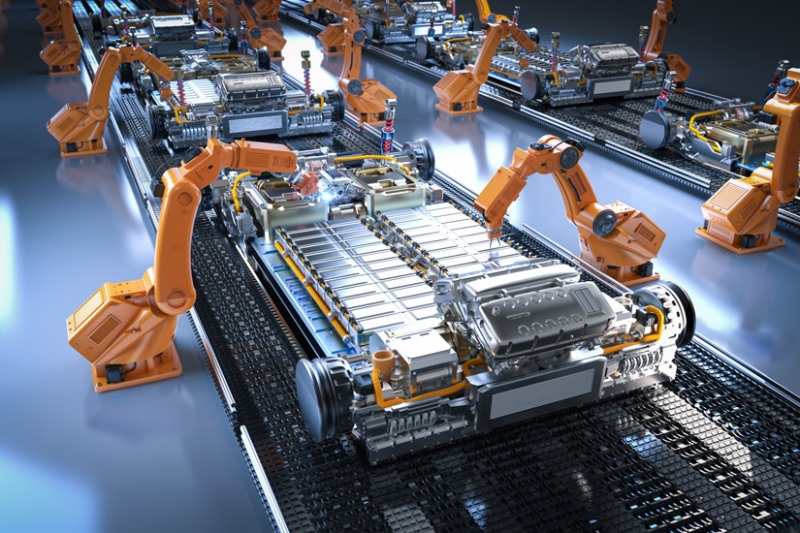
A fresh, new electric car battery evolution has begun, which is gathering momentum as better batteries deliver longer driving ranges. We hope that silicon anodes and solid state batteries promote electric vehicle adoption further, and at an accelerating rate.
More Information
Early Electric Vehicle History – The Pioneers