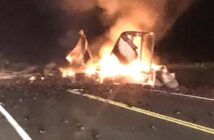
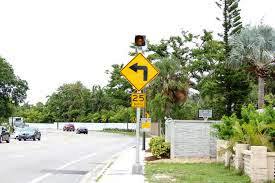
If we were to ask emergency responders how they deal with electric car fires, they would probably answer very carefully. This is even more likely after federal investigators followed up on an incident on May 2, 2018. An 18-year-old Tesla S driver had accelerated to 116 mph despite the 30 mph speed restriction. He also ignored the flashing cautionary of a 25 mph curve.
The Response of the Emergency Responders Team

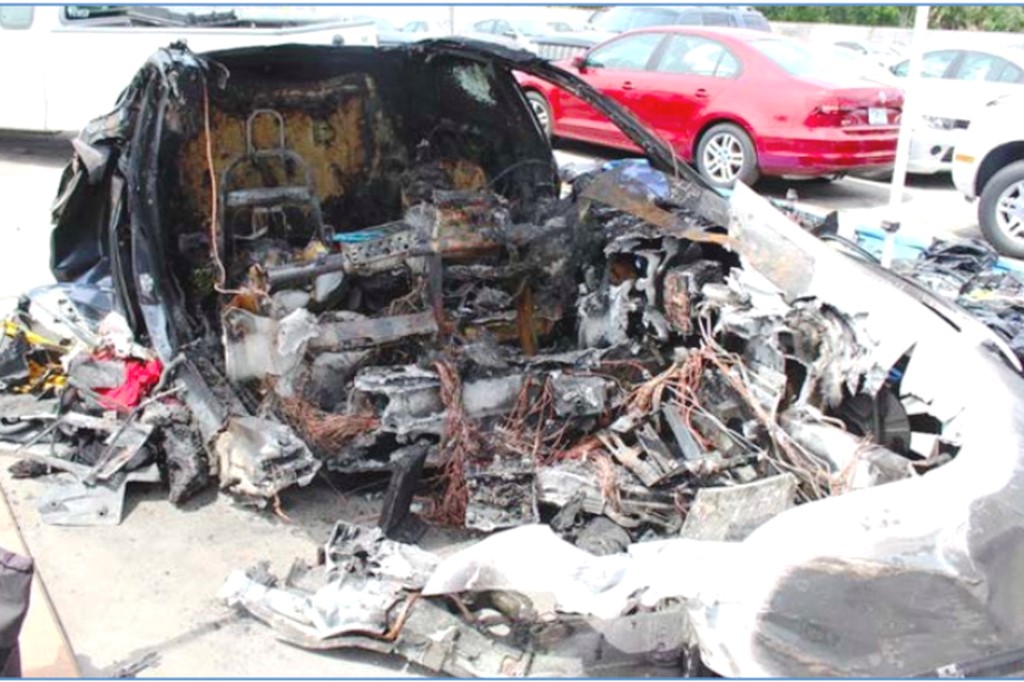
The 2014 Tesla Model S went out of control while passing another vehicle in Fort Lauderdale. After it struck, it veered into a wall twice before crossing the road, striking a metal pole, and coming to rest in the driveway of a residence.
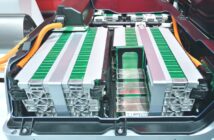
Nobody could expect a battery to survive that abuse. Several witnesses report the Model S lithium battery caught fire after the second impact. Sadly the driver and the front seat passenger died. The rear seat passenger was flung out of the vehicle injured and taken to hospital. When the Fort Lauderdale Fire and Rescue emergency responders arrived, flames had already engulfed the Tesla.
They extinguished the fire with 258 gallons of water and foam. The battery reignited while loading the car, and a second time after they arrived at the storage yard. The Verge website posted an article explaining how emergency responders receive training to first identify the automotive power, and then the model type. This puts them in a position to disconnect the fuel source and hopefully prevent a fire.
Spare a thought for the emergency responders if you arrive on the scene of an electric car fire. We caution against taking matters into your own hands. That silent motor could still be running and you could receive a nasty shock. The National Fire Protection Association is lobbying for more lithium fire training for emergency responders.
Related
Battery Management and Lithium Fires EU Update 6
Why Only Some Car Batteries Catch Fire
Preview Image: 2014 Tesla S Accident Scene