The European Union Batteries Directive aims to minimize the negative impact of batteries and accumulators on the environment. It does so by specifying separate collection and recycling in order to achieve the highest possible re-purposing rate. The first broad brush stroke involves accessible collection points for consumers. While the second one obliges distributors to accept old batteries in exchange for supplying new.
The Initial Targets of the European Union Batteries Directive

The 2006 directive initially required member states to achieve a minimum 25% collection rate by 2012, and 45% by 2016. Furthermore, it directs that member states ensure batteries are readily removable from appliances. In addition, these appliances must have instructions on how to do so.
Battery recyclers must use “the best available techniques … in particular with regard to health and safety.” However, they may dispose portable batteries containing mercury, or lead in landfills if there is no available end market. This may only happen after a detailed assessment of the environmental, economic, and social impacts proves this the best option.
Tackling Battery Manufacture at Source in the EU
The EU appeared to meet its 2016 European Union Batteries Directive target overall, even though five member states did not report. It is currently holding steady at 44% recycled batteries according to the Eurostat website. We already know the key to battery recycling lies in battery design.

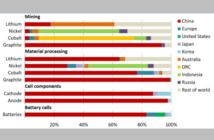
Therefore, we were pleased to learn of the European Battery Alliance. This alliance aims to keep as much of the value-added battery chain within own borders as possible, so as to avoid supply interruptions. The European Union will doubtless specify its own batteries dismantle easily and safely too.
This should provide a workaround to “some countries being … unable or unwilling to implement recycling-friendly safeguards”. We really hope the European Battery Alliance cracks this one, because it will provide the leadership some other countries need.
Related
China Electric Car Makers to Recycle Old Batteries
Big Push to Recycle Lithium Batteries
Preview Image: Waste Separation for Collection and Recycling