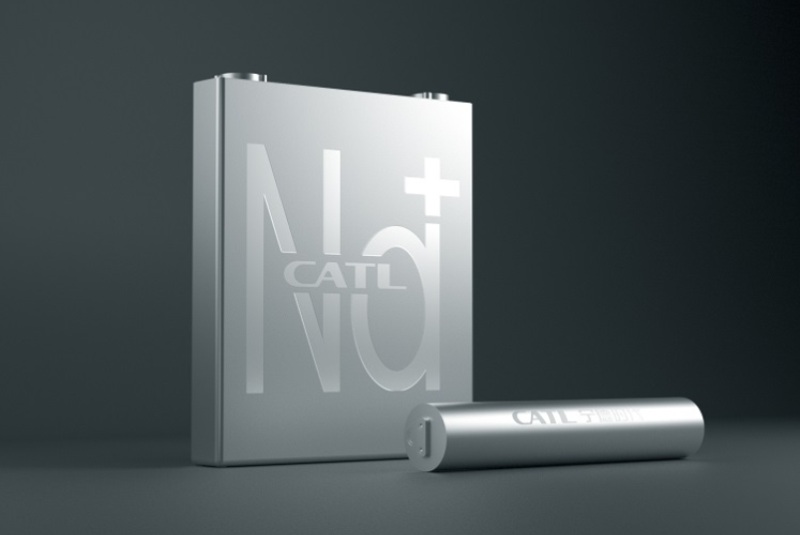
Chinese battery manufacturer CATL, has begun manufacturing sodium-ion batteries according to Clean Technica. The social media are full of theories – some true, some false – about this new product. We visited the CATL website where we found the true facts about CATL and sodium-ion technology. Visit the link below if there is something more you would like to know.
Why the Need for Sodium-Ion Chemistry?
Carbon neutrality is fast becoming a global issue, with more extreme weather creating increasing public awareness. Battery scientists are coming up with fresh ideas to improve battery performance, while reducing manufacturing cost too.
Sodium-ion chemistry is one innovation that is a potentially practical alternative to lithium-ion batteries. One big advantage is both types of batteries have similar working principles. We just need to iron out a few technical challenges.
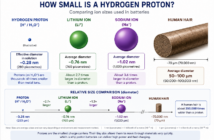
Perhaps the greatest of these challenges is the sheer size of sodium charge-carrying ions. They are larger than lithium ions, and they can’t slip into electrodes without straining them. In fact, they can and sometimes do fracture electrode materials.
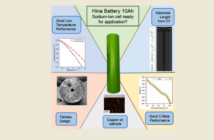
CATL has applied its mind to this challenge by redesigning the electrode structure, according to the media release we link to below. Here’s a summary of the facts behind the CATL sodium-ion breakthrough, as we understand them:
- CATL applied prussian white material with a higher specific capacity.
- They also redesigned the active material by rearranging the electrons.
- These steps resolved the rapid capacity loss plaguing the technology.
How Well Do CATL Batteries Perform?
The energy density of CATL’s sodium-ion batteries is 160 watt-hours per kilogram, compared to lithium-ion’s 150 to 250. That’s hardly dramatic news, although they do charge to 80% in 15 minutes at room temperature.
What’s particularly interesting is these batteries retain 90% of their capacity at -20°C / -4°F. While CATL’s sodium-ion batteries may not offer the best driving ranges, they should be cheaper. But the winner could be they won’t catch fire spontaneously due to internal reactions.
More Information
Prussian White Cathodes Enhance Sodium-Ion
CATL Promises to Share Battery Technology