Most of us are hard-wired for instant gratification. Some folk even purchase fake qualifications on the internet as if that’s all there is to education. However, quality does take time to achieve and there are still limitations to fast charging lithium batteries. Although if a senior material scientist at Argonne National Laboratory has his way this could change.
The Downside of Fast Charging Lithium Batteries
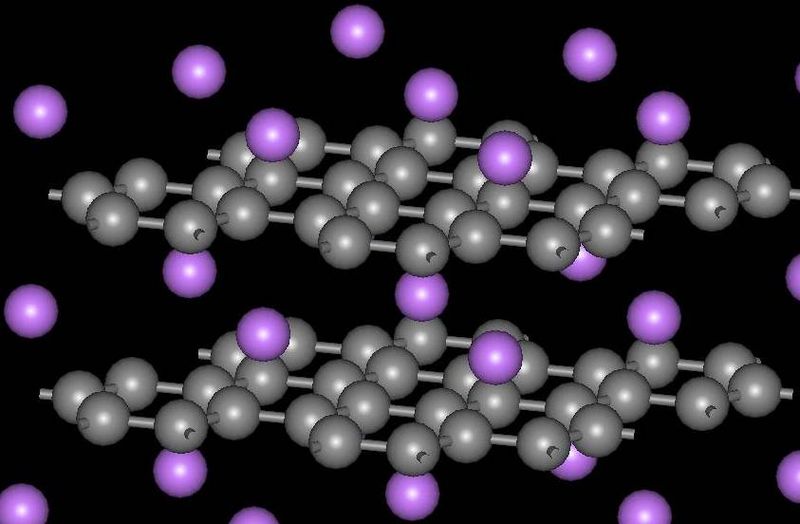
AZO Materials chatted with Argonne’s Dr. Daniel Abraham quite recently. He explained lithium-ions are supposed to slip (intercalate) between graphite layers in the anode during charging. So they can extract easily during the discharge cycle.
However, if we accelerate the process the electrons can adhere permanently to the surface of the graphite instead. This then locks them out of further movement, and the battery is weaker as a result. But that’s not all.
Fast charging may also stress the graphite to the extent it warps and distorts at the atomic level. This further affects the graphite layers’ capacity to allow the ions to intercalate smoothly.
Fast Charging Without Degrading Lithium Battery Performance
That would be something of a sub-holy-grail if we could do that! Dr. Daniel Abraham and his Argonne colleagues are investigating ways to manage fast charging lithium batteries without negative side-effects. They are currently exploring:
1… Modifying the graphite structure to allow faster lithium intercalation.
2… Developing new electrolytes with higher lithium-ion conductivity.
3… Using more-porous separators to allow faster ion movement.
4… Finding ways to fast charge without damaging the battery structure.
Slow recharging times discourage electric vehicle use on turnpikes, and distances beyond the capacity of a daily recharge. Dr. Daniel Abraham’s work is thus of vital importance in the project to persuade motorists to move on from gasoline. Therefore we wish him every success in his endeavors, and we look forward to sharing updates on his progress.
Recent Posts
A Calcium Battery Could Create a Big Stir
Smart Ways to Use Your Electric Car Battery
Preview Image: Intercalation in Layered Structure