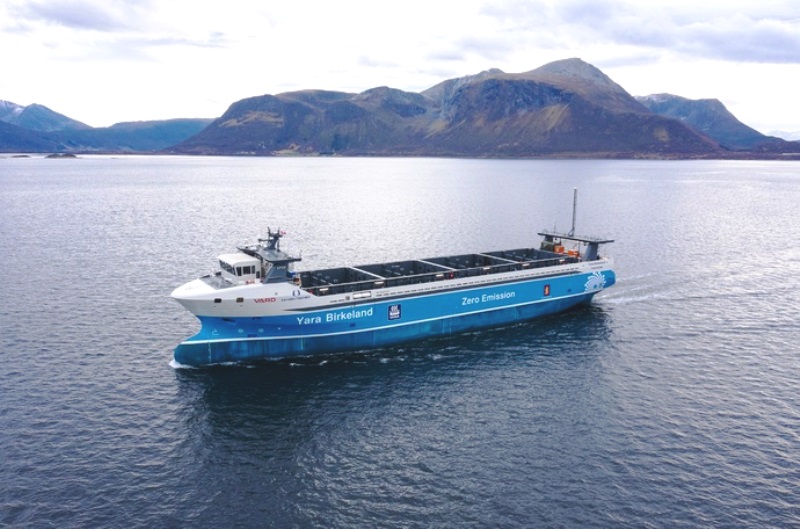
We had previously paused the thought of large-scale battery electric shipping in our minds, because of sailing range. However, a thought piece by Berkeley Lab caught our eye, and caused us to think again. What if, Berkeley Lab asked, we could resolve the feasibility and cost of electric shipping? Now that, we felt, sounded like something to investigate further.
Unpacking the Feasibility and Cost of Electric Shipping
Converting a significant portion of the world’s diesel shipping fleet to electric propulsion, would reduce greenhouse emissions. We could achieve this within ten years, Berkeley Lab says, were it not for the feasibility and cost of electric shipping.
However, the challenge lies in the sheer scale of the undertaking, compared to the simplicity of electric cars. Ships are far larger, would cost considerably more to convert, and the technology would have to keep going for decades.
And then, there is the sheer scale of the batteries the project would require, in terms of current energy storage. Every battery would add weight to the vessel, and increase its resistance through water. It would also reduce the ship’s carrying capacity, for every nautical mile that it traveled on its voyage.
Challenging the Assumption That Electric Shipping Is Not Feasible
Berkeley Lab tested the theory that electric shipping is not feasible, in the instance of the United States. They found this theory flawed, with the exception of a small fraction of very long trips. They factored in falling battery costs, increasing battery energy density, and cleaner grids.
They also optimized vessel operations in their minds, and provided for their battery’s second lives. In so doing Berkeley identified ‘a unique electrification opportunity in domestic shipping, as they described it in their report.
The researchers focused their attention on vessels with less than 1,000 gross tonnage, referring to the internal dimensions of a ship. They found that most of these passenger boats and tugboats could potentially meet their recharging needs at some twenty U.S ports.
These vessels’ batteries could be considerably smaller, they found, than they originally thought. This was because of frequent recharging opportunities during regular stops on their journey.
And so the researchers recommend resolving the feasibility and cost of electric shipping, by investing more money in port infrastructure. This chimes well with the idea of providing more charging stations for electric cars, and demonstrates what is possible when we really try.
More Information
eWolf All-Electric Tug Now Doing Sea-Trials
Full Battery Power Vessel from China