

Imagine a battery that requires no replacing. It stays charged indefinitely, saving you endless dollars in new batteries. Now scientists have discovered a new battery that is one step closer to this possibility using nanowire technology.
They built a battery using nanowires, which will be recharged endlessly. Their findings were publishing in the American Chemical Society Scientific Review, which can be applied for use in computers, smartphones, cars, and spacecraft.
What Are Nanowires?
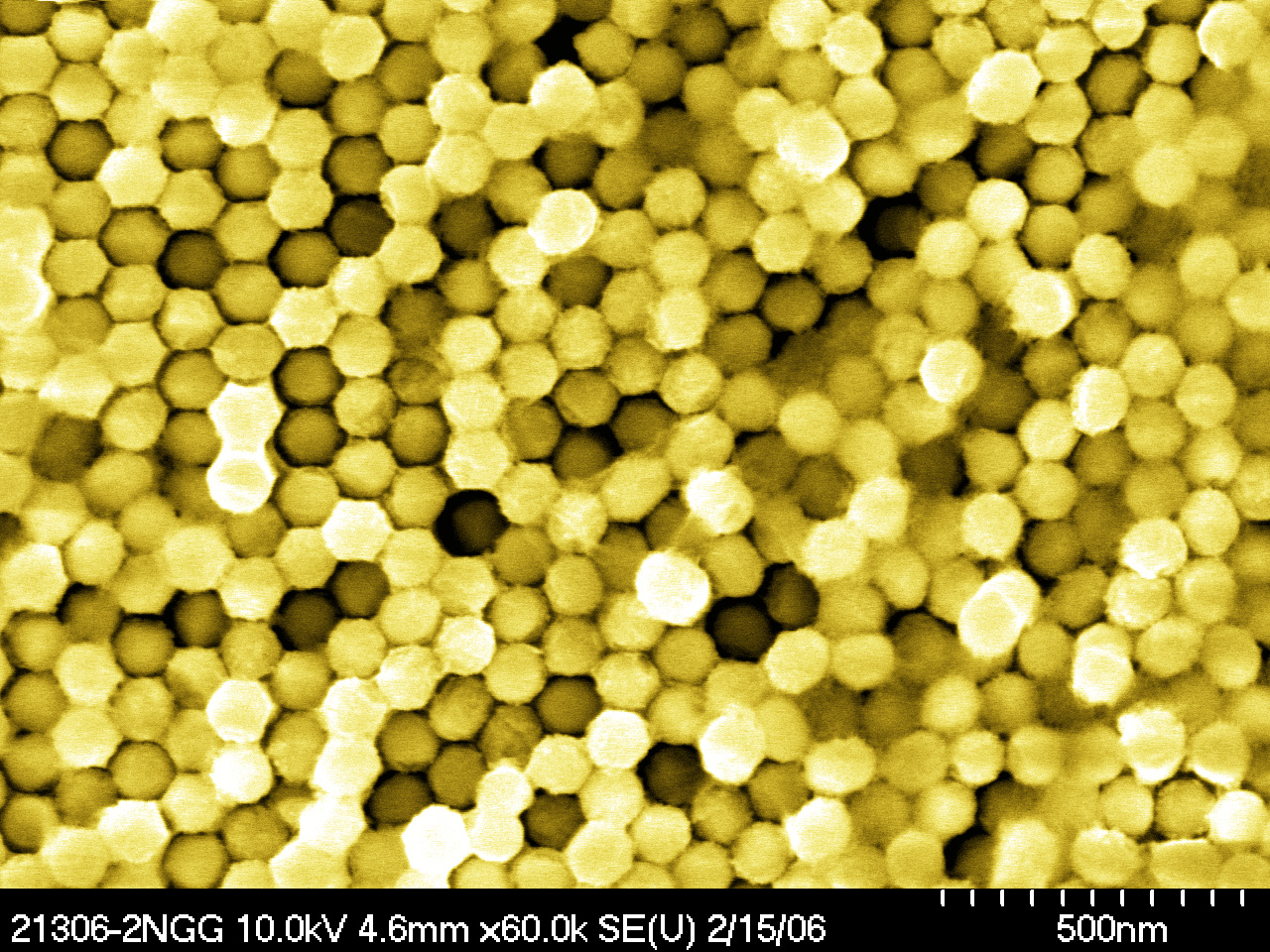
They are thousands of times thinner than a human hair. They have a large surface for electron storage, as well as transport. Additionally, they are extremely conductive.
Potential cons:
Since nanowires are so thin, it makes them extremely fragile and susceptible to breakage. They do not do well in repeated discharges, or recharges. In a standard lithium-ion battery, the nanowire dilates and can lead to cracks.
And it’s not exactly cheap either. Even though there are miniscule amounts of gold used in gold nano wire, it’s still expensive to manufacture. Other replacements such as nickel, or metal could be more viable in the market.
There are also concerns regarding its substantiality. The initial test platform wasn’t a battery in the truest form. Typical batteries have a anode and cathode. The anode pulls electricity into the system, while the cathode outputs this electricity.
Researchers who used the gold nanowire system linked two cathodes that alternate charging one another. While this continuous recycling from cathode to cathode makes an ideal system for repeated recharging, some believe it will eventually spill out less charge.
Nevertheless, this system dispels less, only losing around 5 per cent of charge in comparison to standard lithium-ion, liquid based batteries.
The solution?
Researchers overlay a gold nano wire in a manganese dioxide shell. Then they pace it on an electrolyte that is made of a plexiglass thickener. They tested the electrode in tests up to 200,000 times within a three-month time frame. The findings reveal that they did not detect any loss of nano-cell capacity, nor was there any breakage.
The problem with traditional batteries:
Most of the batteries we use contain liquid because it is conductive and allows partial charging and discharging. The liquid might be more flexible for usage, but it is extremely combustible and highly sensitive to fluctuations in temperature.
What led to this experiment:
Researchers initially wanted to construct the battery using a thick electrolyte gel to hold the battery’s charge. They believed this was safer and more reliable than liquid. What they did was use a gold nanowire, coat it in manganese oxide, and protecte it in a thick layer of electrolyte gel. The gel interacts with the metal oxide coating to prevent it from corrosion. What happened next was unexpected: It could promise electronics that can last up to 400 times longer.
There’s still a long way to go before this battery can be released in the market. Right now it might just be reserved to the lab.

1 Comment
Who is “they” that published the paper? Link please. Is this a continuation of the 2016 discovery at the University of California, Irvine, by doctoral student Mya Le Thai?